
A solid **home project budget** is not just a number you write on a sticky note before a trip to Home Depot. It is a decision tool. If the budget is weak, the project usually gets sloppy fast: wrong materials, skipped prep, unfinished trim, and a contractor change order that lands like a shovel to the ribs. I approach house work the same way I handle plant projects at work: define scope, build the sequence, price the steps, and identify where failure usually starts. Follow the procedure and everything will be fine.
Start With Scope, Not Shopping
Most homeowners blow the budget before the project really starts. They price paint before they inspect drywall. They buy tile before checking floor flatness. They order cabinets before measuring appliance clearances. That is backwards.
Build your **home project budget** in this order:
- Define the exact work area.
- List what stays, what gets repaired, and what gets replaced.
- Separate cosmetic work from structural, electrical, plumbing, and moisture issues.
- Write down your finish level: basic, durable mid-range, or premium.
That last step matters more than people think. A bathroom refresh can be $1,500 if you are painting, swapping a vanity light, and replacing hardware. The same room can hit $8,000 to $15,000 fast if you move plumbing, retile a shower, and buy better fixtures.
A good scope statement is plain language: "Replace vanity, mirror, faucet, flooring, paint walls, keep tub, no layout changes." That single sentence protects your budget better than three hours of browsing inspiration photos.
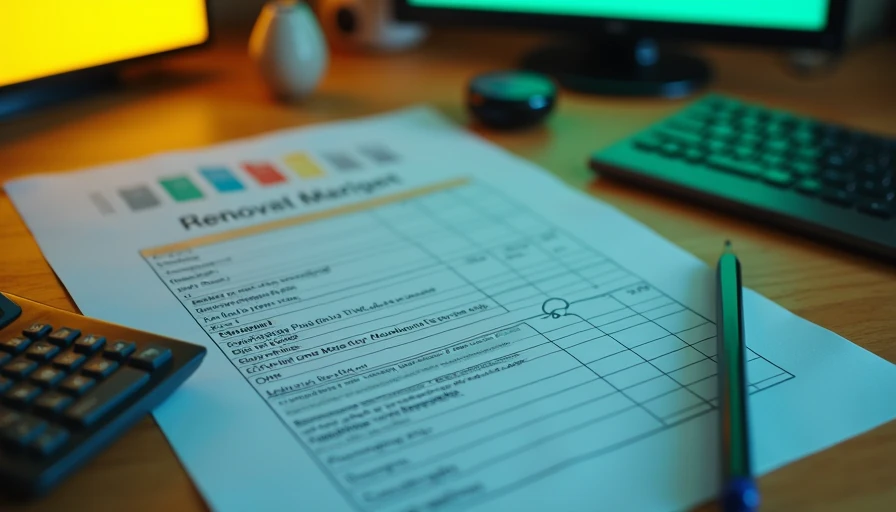
Break the Budget Into Buckets
Once scope is clear, stop thinking in one lump sum. A useful **home project budget** has buckets. If you skip this step now, you may pay for it later.
Use five basic buckets:
- **Materials**: lumber, drywall, flooring, fixtures, fasteners, paint, trim.
- **Tools and equipment**: blades, bits, rental items, shop vac filters, ladders.
- **Labor**: contractor work, electrician, plumber, tile setter, hauling.
- **Prep and repair**: demo disposal, patching, leveling, code corrections, rot repair.
- **Contingency**: the money reserved for problems you cannot see yet.
For many projects, materials are the visible part, but prep and repair are what break people. A $2,500 flooring job can become a $4,000 job if the subfloor is damaged or out of level. An interior paint project jumps if you discover old water stains, cracked tape joints, or trim that needs caulk and sanding.
As a rule, set contingency at 10% for simple surface updates and 15% to 20% for older-house work, bathrooms, kitchens, and anything involving hidden conditions. My 1989 house has taught me this lesson more than once. Megan says I am too rigid. She may be right, but the process saved me again.
Price the Work by Sequence, Not by Wish List
A lot of budget mistakes happen because homeowners price what they want to see at the end, not what has to happen first. Sequence matters.
For example, a kitchen project usually flows like this:
- Demo and disposal
- Rough repairs behind walls
- Electrical or plumbing changes
- Drywall and patch work
- Flooring decisions
- Cabinets and countertops
- Backsplash, trim, paint, punch list
That means your **home project budget** should follow the same order. Why? Because hidden work sets the real floor cost. New pendant lights sound fun. Rewiring a bad junction box is less fun, but it happens first.

Here is a practical move: assign every line item one of three labels.
- **Must do**: safety, water control, structure, code-related fixes
- **Should do**: durability upgrades that make the project last
- **Nice to have**: style upgrades you can cut if costs rise
This gives you a release valve. If the budget gets tight, remove the fancy mirror or upgraded pulls before you remove waterproofing, underlayment, or proper ventilation. Measure first, then cut.
Know the DIY Line Before It Costs You More
I like DIY work, but not every task belongs in homeowner hands. A smart **home project budget** includes an honest labor decision up front.
Good DIY candidates often include:
- Painting
- Baseboard and simple trim
- Hardware swaps
- Shelving
- Light demolition
- Basic landscaping
Projects that often justify a pro include:
- Service panel work
- New circuits
- Major plumbing moves
- Structural framing changes
- Roof replacement
- Large tile showers with waterproofing details
The reason is not just skill. It is rework cost. If you hang drywall badly, you may waste a weekend and a few sheets. If you waterproof a shower badly, you may buy mold remediation later. That is a terrible trade.
When comparing DIY versus hiring out, include the hidden costs: tool purchases, waste, extra material from mistakes, disposal fees, and your own time. Renting a tile saw, buying spacers, underlayment tools, and extra tile for breakage can close the gap between DIY and professional labor faster than people expect.
Use Real Numbers and a Stop Rule
A **home project budget** needs decision limits, not optimism. Set a target number, a stretch limit, and a stop rule before work starts.
Example:
- Target budget: $6,500
- Maximum approved spend: $7,500
- Stop rule: if hidden repairs exceed $1,000, pause and re-scope before continuing
That stop rule is important. It keeps you from making emotional decisions in the middle of demo dust. Without one, people keep spending because they already started. That is how a simple mudroom refresh turns into a three-month drain on cash.
Also, get prices from current sources. Store pricing moves. Contractor labor moves. Even basic plywood and trim packages can swing enough to matter. For larger projects, collect at least three quotes when possible and compare them by scope, not just total price. The lowest quote is not the cheapest if it excludes prep, cleanup, or finish details.
Final Check Before You Start Tearing Things Apart
Before you approve the **home project budget**, run one last checklist:
- Is the scope written in one clear paragraph?
- Did you separate needs from wants?
- Did you include prep, repair, disposal, and contingency?
- Did you decide what is DIY and what is pro-only?
- Do you know the sequence of work?
- Do you have a stop rule if costs rise?
If the answer is yes across the board, you are in good shape. If not, slow down. A weekend spent planning is cheaper than a month spent correcting avoidable mistakes.
The goal is not to build the prettiest spreadsheet in the neighborhood. The goal is to finish the project with the house improved, the cash flow intact, and no ugly surprises hiding behind fresh paint. That is what a good **home project budget** is for. Follow the procedure and everything will be fine.


No signals yet — transmit the first.