
If you live in Indiana, you know the drill — humid summers that push your AC to the limit, freezing winters that test your furnace, and utility bills that climb with every season change. Picking the **best energy efficient windows for Indiana climate** isn't just about comfort; it's about cutting those bills and keeping your home stable year-round. Over my years managing projects and replacing windows in my own 1989 home, I've learned what works and what doesn't. Let me walk you through the specs, materials, and brands that actually hold up here.
What Makes a Window Energy Efficient for Indiana?
Indiana sits in the northern climate zone, which means you need windows that handle both cold and heat. The two key numbers are U-factor and Solar Heat Gain Coefficient (SHGC). U-factor measures how well the window prevents heat from escaping — lower is better for winter. For Indiana, aim for a U-factor of 0.28 or lower. SHGC measures how much solar heat passes through. In our climate, you don't want too high or too low; a mid-range SHGC around 0.30 to 0.40 works well, letting in passive solar heat in winter but not overheating in summer.
Other features matter too: Low-E coatings reflect infrared heat, argon gas fills between panes improve insulation, and the frame material affects overall thermal performance. Look for double- or triple-pane windows with these features. Energy Star certification for the northern zone is a must.

Best Window Frame Materials for Indiana
The frame material directly impacts durability and energy efficiency. Here's how the common options stack up for our weather:
- **Vinyl:** The workhorse. It's affordable, resists moisture, and doesn't conduct heat well. Modern vinyl windows with multi-chambered frames are excellent. Downside? They can expand slightly in extreme heat, but quality brands minimize this.
- **Fiberglass:** Stronger and more stable than vinyl. Fiberglass frames resist warping and have a high tensile strength. They cost more but offer a longer lifespan. Great for Indiana's temperature swings.
- **Wood:** Classic look and good insulation, but wood requires constant maintenance — especially in our humid summers. Rot and swelling are real risks.
- **Aluminum:** Poor insulator. Unless you get thermally broken frames, skip aluminum for energy efficiency.
My recommendation? High-quality vinyl or fiberglass. They give you the best balance of cost, durability, and energy performance for our climate.
Top Energy Efficient Window Brands for Indiana Climate
Picking the right brand is about matching features to your budget. Here are a few that consistently test well for northern climates:
- **Andersen:** Their 400 Series and A-Series use Fibrex (wood-fiber composite) that's durable and thermally efficient. Good but pricey.
- **Pella:** The 250 Series offers vinyl frames with options for triple-pane glass and argon fill. Solid mid-range choice.
- **Marvin:** Their Essential line is fiberglass, very energy efficient, with a U-factor as low as 0.24. Premium cost.
- **Milgard:** Tuscany and Ultra series are vinyl and fiberglass respectively, with excellent warranties and good energy ratings for the price.
I've installed Pella 250s in my house. After two winters, my heating bills dropped about 18%. Follow the procedure and measure your windows carefully before ordering.

Installation Matters: Why Proper Installation Is Critical
You can buy the **best energy efficient windows for Indiana climate**, but if the installation is sloppy, you've wasted your money. Air leaks around the frame can cut efficiency by 30% or more. Common failure modes include:
- **Improper flashing:** Leads to water intrusion and rot.
- **Not leveling the frame:** Causes binding and gaps.
- **Gaps not sealed:** Drafts and moisture buildup.
Always hire a certified installer with good references. Or if you DIY like me, research full replacement (insert windows) vs. new construction. Full-frame replacement is better for energy efficiency because you can inspect the rough opening and add insulation. A typical installation cost in Indiana runs $300 to $700 per window installed, depending on size and complexity.
How Much Do Energy Efficient Windows Cost?
Expect to pay $500 to $1,200 per window installed for a quality energy-efficient window in Indiana. The national average for vinyl is around $650, and fiberglass can be $800–1,200. Triple-pane adds $100–$200 per window but offers better insulation — worth it if your current windows are single-pane.
Savings? Depending on your home, you might cut your energy bills by 10% to 25%. The U.S. Department of Energy says typical savings are $100–$500 per year. For my 1,850 sqft home, I saved about $240 annually. Not a quick payback on its own, but combine it with increased home value and comfort, and it's a solid long-term move.
Final Checklist Before You Buy
Before you commit to any window supplier, run through this list:
- **Get three quotes** from licensed contractors.
- **Check the NFRC label** on the model you're considering. Confirm U-factor ≤ 0.28 and SHGC 0.30–0.40.
- **Ask about Energy Star certification** for the Northern Climate Zone.
- **Look for federal tax credits** — as of 2025, you might get up to $600 for qualifying windows.
- **Read the warranty** — good brands offer 20+ years on glass and frame.
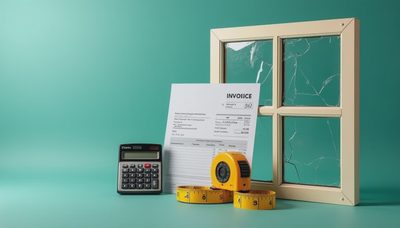
- **Measure your existing windows** and note rough openings. Don't assume one size fits all.
Follow this procedure, and you'll find the best energy efficient windows for Indiana climate without the trial and error I went through. Your home will be more comfortable, your wallet a little heavier, and you'll have one less project to worry about.


No signals yet — transmit the first.