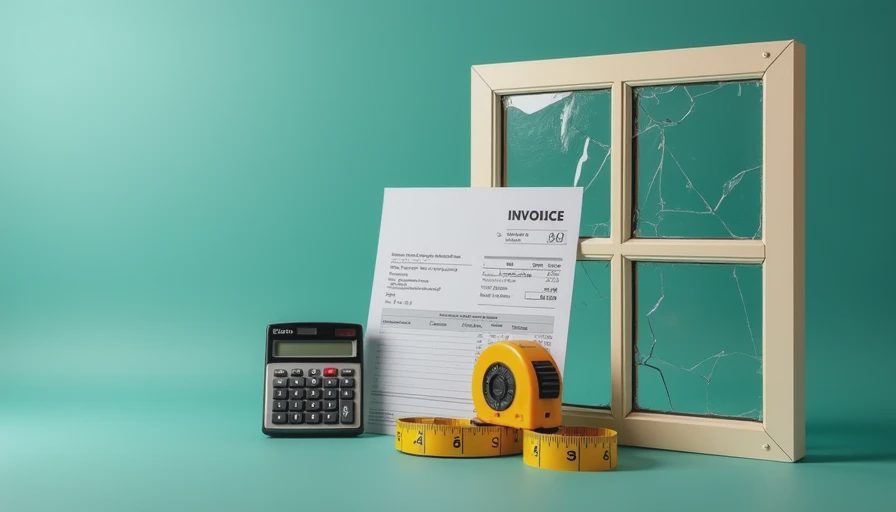
If you own a house built in the 1980s, you've probably noticed drafty rooms, condensation between panes, and higher utility bills than you'd like. The fix is window replacement, but the big question is: **how much does it cost to replace windows in 1980s house**? I've been through this with my own 1989 home, and I've helped friends scope theirs. Here's the honest, project-manager breakdown.
First, a quick reality check: expect to pay somewhere between $300 and $1,500 per window for materials and installation, with most homeowners landing around $600–$900 per window. For a typical 1980s house with 10–15 windows (which is common for our ~1,850 sq ft era), that means a total project cost of $6,000 to $13,500. But that range can flex depending on a few key variables.
Average Cost Range for Window Replacement in a 1980s House
When asking **how much does it cost to replace windows in 1980s house**, the national average falls around $8,000 for a 10-window job using mid-grade vinyl. However, I've seen neighbors pay as little as $5,000 for basic vinyl replacement and others spend $20,000+ for custom wood frames or oversized specialty windows.
Here's a breakout by window type and material:
- **Single-hung vinyl**: $300–$600 per window installed. Most 80s houses use single-hung, so this is the baseline.
- **Double-hung vinyl**: $400–$800 per window. Better for cleaning and airflow, a common upgrade.
- **Casement windows**: $500–$1,200 each. Popular in 80s ranch styles.
- **Bay or bow windows**: $2,000–$5,000 installed. Big cost jump due to size and structural work.
- **Wood or wood-clad**: $800–$1,500 per window. Premium look but higher maintenance.
- **Fiberglass**: $600–$1,200 per window. Durable, energy-efficient, but less common.
Remember, these are installed prices, including removal of old windows, labor, and basic trim. If your 1980s house has rotted sill plates or unusual rough openings, add 10–20%.
Factors That Affect Your Final Cost
Pinning down **how much does it cost to replace windows in 1980s house** isn't one-size-fits-all. Here are the biggest levers:
- **Number of windows**: More windows = higher total, but per-window cost often drops slightly due to economies of scale.
- **Window size and style**: Standard sizes (36x48 inches) are cheapest. Custom sizes cost 30–50% more.
- **Frame material**: Vinyl is the budget king. Wood and fiberglass add 50–100% to the material cost.
- **Glass options**: Double-pane is standard. Adding Low-E coatings, argon gas, or triple-pane adds $50–$150 per window.
- **Installation complexity**: Full-frame replacement (removing old frame) vs. insert replacement (fitting into existing frame). Full-frame is pricier but often necessary for 80s houses with wood rot.
- **Location and labor rates**: Midwest (where I am) is typically cheaper than the coasts. Expect higher quotes in expensive metro areas.
- **Warranty and brand**: Big names like Andersen, Pella, or Marvin command a premium. Local brands often offer similar quality for less.
I always tell homeowners: get at least three quotes from qualified installers, and don't let the salesperson rush you into a same-day discount.
Vinyl vs. Wood vs. Fiberglass: Which Is Right for Your 1980s Home?
Your material choice dramatically changes **how much does it cost to replace windows in 1980s house**. Let me walk through each:
- **Vinyl**: Most popular for a reason. Affordable ($300–$800/window), low maintenance, good insulation. But color choices are limited, and cheap vinyl can warp in extreme sun. I used mid-grade Simonton vinyl in my house — no complaints in 5 years.
- **Wood**: Classic look, great insulator, but requires painting every few years and is susceptible to moisture. Costs $800–$1,500 per window. If your 80s house is a historic or high-value property, wood may be worth it.
- **Fiberglass**: Strengths of both — stronger than vinyl, better energy efficiency, and low maintenance. Pricier ($600–$1,200) but lasts longer. Marvin and Milgard make good options.
For most of us, vinyl offers the best bang for the buck. If you're planning to stay in the house 10+ years, consider upgrading to fiberglass or wood for added resale value.
How to Get Accurate Quotes (and Avoid Costly Mistakes)
When you start collecting quotes to answer **how much does it cost to replace windows in 1980s house**, follow this process:
- **Measure each window opening** (width, height, depth) — note if it's a standard or custom size.
- **Check for rot**: poke the wood sill with a screwdriver. Soft spots mean extra repair cost.
- **Get three written quotes** from insured, licensed installers. Ask for references.
- **Compare the scope**: does the quote include disposal of old windows, exterior trim, interior casing, and cleanup?
- **Ask about permits** — some cities require them for full-frame replacement.
A common mistake I see is homeowners going with the cheapest bid without checking quality. One friend in my neighborhood saved $2,000, but the installers left gaps that defeated the insulation. He ended up paying more to fix it later. Follow the procedure and everything will be fine.
Is It Worth Replacing Windows in a 1980s House?
Absolutely. If your 1980s house still has its original single-pane windows (or even early double-pane without Low-E), you're losing energy. The U.S. Department of Energy says old windows can account for 25–30% of your heating and cooling costs. Replacing them can cut that by 10–25%, saving $100–$600 per year depending on climate.
Plus, new windows improve comfort (no drafts), reduce noise, and boost curb appeal. Most homeowners recoup about 70–80% of the cost at resale, making it a solid investment.
Final Thoughts
So, **how much does it cost to replace windows in 1980s house**? Plan for $600–$900 per window installed for a solid mid-grade vinyl job, and budget an additional 10–15% for unexpected rot or structural work. Get multiple quotes, choose a material that fits your needs, and don't skimp on installation quality. It's a big project, but with the right plan, you'll stay warm and save money for years to come.




No signals yet — transmit the first.