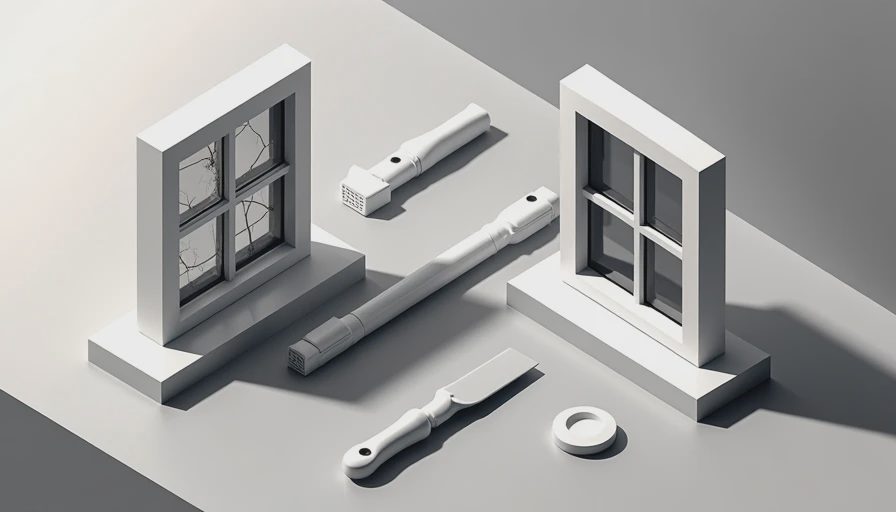
Every homeowner faces the window repair vs replace decision at some point. Maybe a sash is stuck, a pane is cracked, or you feel a draft on a cold Indianapolis morning. The right call depends on the problem, the window age, your budget, and your long-term plans. I've been through this twice in my 1989 house — once with a rotting frame and once with a failed seal. Both times, the choice came down to a simple evaluation. Follow the procedure and you'll know exactly which path to take.
When Repair Makes Sense
You should lean toward repair if the window itself is fundamentally sound. That means the frame is solid, no rot or water damage, and the glass is intact (or only has a small crack). Typical repairs include:
- **Replacing a broken sash cord or balance** – $50–$150, including parts and labor if you hire a handyman.
- **Fixing a stuck sash** – Often just cleaning tracks or lubricating hardware. $0 if DIY, $75–$150 for a service call.
- **Replacing weatherstripping** – $20–$50 in materials. You can do this in an afternoon.
- **Re-sealing a failed insulated glass unit (IGU)** – Some companies can replace just the glass for $150–$300 per window, which is much cheaper than a full replacement.
- **Patching a small hole or crack** – If it's a single-pane window, you can use epoxy. For double-pane, the seal is already compromised, so repair is temporary at best.
Repairs are ideal when the rest of the window is in good shape. They cost less and don't involve tearing out the frame, which can disturb siding and interior trim. The drawback? You're not upgrading energy efficiency or fixing underlying structural issues.
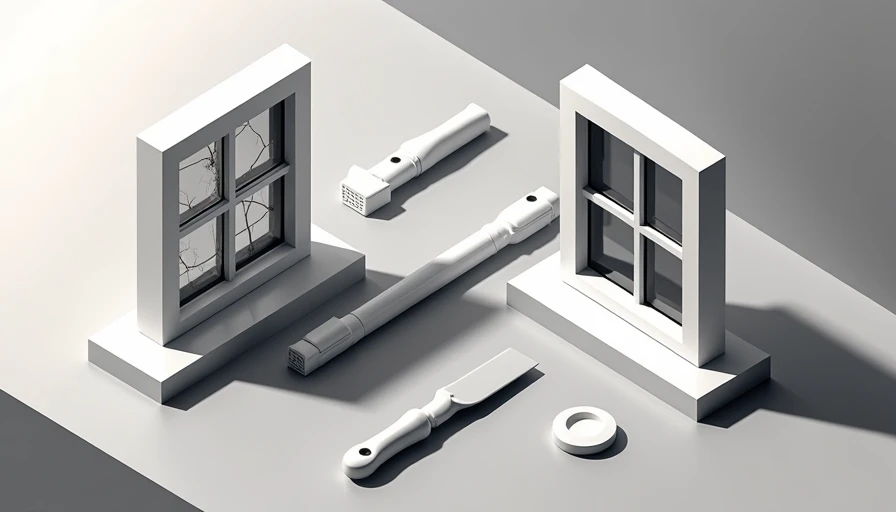
When Replacement Is the Better Bet
Replace the window when the frame is rotting, the window is drafty beyond what weatherstripping can fix, or the glass has failed and the seal can't be replaced cost-effectively. Full replacement costs $500–$1,500 per window (including labor), but you gain new features: better insulation, easier operation, and a 10–20 year warranty.
- **Rotted or water-damaged frame** – This is structural. No repair will last. Replace it.
- **windows that are hard to open/close** – If the frame is twisted or the window is painted shut and can't be freed, replacement is simpler than trying to restore old hardware.
- **Single-pane windows** – If you still have original single-pane windows, replacement pays for itself in energy savings over a few years. The U-factor drops from about 1.0 to 0.30.
- **Failed seal on double-pane windows** – You'll see condensation between panes. You can replace just the glass, but if the window is more than 15 years old, replacing the whole unit may be smarter.
- **Aesthetic mismatch** – If you're renovating the room and want consistent style, new windows match better.
Cost Comparison: Repair vs Replace
| Issue | Typical Repair Cost | Replacement Cost | Best Choice |
|-------|---------------------|------------------|-------------|
| Stuck sash | $50–$150 | $500–$1,500 | Repair |
| Broken glass (small) | $150–$300 | $500–$1,500 | Repair (if frame good) |
| Failed seal | $200–$400 (IGU replace) | $500–$1,500 | Compare based on age |
| Rotted frame | Not feasible | $500–$1,500 | Replace |
| Drafty window | $50–$200 (weatherstrip) | $500–$1,500 | Depends on draft cause |
A quick rule: if the repair costs more than 30% of replacement and the window is over 20 years old, just replace it. You'll get better performance and fewer headaches.
Energy Efficiency and Performance
New double-pane windows with low-E coating and argon gas can cut heat loss by 50–70% compared to old single-pane windows. Even replacing a 1990s double-pane with a modern one can save $100–$200 per year in heating and cooling costs. If energy bills are a concern, replacement wins. Repair may improve air sealing, but it won't add insulating glass or better coatings.
DIY or Call a Pro?
Window repair is often a solid DIY project: replacing weatherstripping, lubricating tracks, even swapping a sash balance. But if you're dealing with a rotted frame or a full window replacement, hire a licensed contractor. I've replaced windows myself, and it's doable if you have the right tools (circular saw, shims, caulk gun, level) and a helper. But take it from someone who once installed a window crooked: measure twice, level three times. A pro will charge $100–$200 per window for installation, but they guarantee it.
Decision Checklist: Your Go/No-Go
- **Check the frame** – Insert a screwdriver or awl into the wood around the sill. If it sinks in easily, you have rot. → Replace.
- **Check the seal** – Condensation between panes? → Repair (IGU) or replace based on age.
- **Check operation** – Does the sash move smoothly? If not, lubricate tracks first. Still stuck? → Repair balance or replace.
- **Check drafts** – Use a candle or incense stick. If air leaks are around the frame, add weatherstripping. If through the glass, consider replacement.
- **Calculate ROI** – Annual savings from replacement / cost of replacement = payback years. If payback is under 5 years and you plan to stay in the house, replace. If you're moving soon, repair.
Megan says I overthink things, but when a project follows a procedure, you don't waste money. That's the whole point. Whether you go with window repair vs replace, the key is knowing when to stop patching and start over. Follow the checklist, crunch the numbers, and you'll make the right call.



No signals yet — transmit the first.