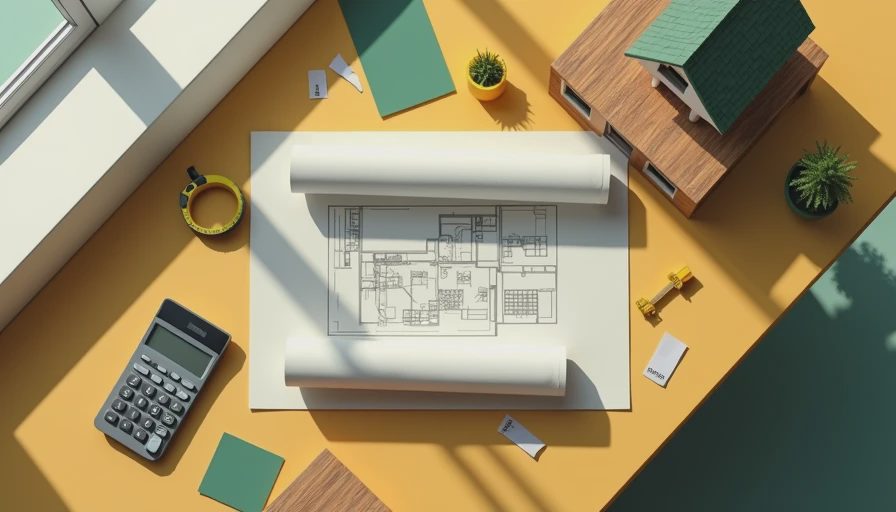
Home renovation planning is the part most homeowners want to rush through, usually because demolition feels like progress and spreadsheets do not. I get it. Tearing out an old vanity is satisfying. Rebuilding the same bathroom after finding bad plumbing behind the wall is not. If you want a project to stay on budget, stay on schedule, and still make sense six months later, planning is the work. Follow the procedure and everything will be fine.
Start With Scope, Not Inspiration
A renovation goes sideways when the project scope is fuzzy. Before you shop for tile, define exactly what problem you are solving. Are you fixing water damage, improving storage, updating worn finishes, or changing the layout? Those are very different jobs with different budgets, timelines, and trade needs.
Write the scope in one plain sentence first. Example: "Replace kitchen cabinets and counters without moving plumbing or walls." That single line protects you from drifting into a full gut remodel halfway through. Then list what is included and what is excluded. Included might be cabinets, countertops, sink, faucet, backsplash, paint, and lighting. Excluded might be flooring, window replacement, and layout changes.
This matters because every added item creates follow-on work. Move one wall and now you may need electrical changes, drywall repair, trim work, flooring patches, and permit review. If you skip this step now, you may pay for it later. Measure first, then cut. In home renovation planning, clarity beats excitement every time.
Build a Real Budget With Ranges and Contingency
Most bad budgets fail for two reasons: they forget the boring stuff, and they pretend surprises will not happen. Use a simple budget structure with three buckets: materials, labor, and contingency. For a moderate room renovation, labor often lands higher than homeowners expect, especially when electrical, plumbing, tile, or finish carpentry enters the picture.
Start with rough ranges. Cosmetic room updates might run a few thousand dollars. A bathroom remodel can easily move into the $10,000 to $25,000 range depending on tile, fixtures, waterproofing, and whether you are relocating plumbing. Kitchens can climb much faster, especially with cabinets and countertops. Do not lock onto the lowest number you see online and call it planning.
Then add a contingency line of 10% to 20%. In older houses, I lean toward the high end because opening walls has a way of revealing old wiring, out-of-level framing, or moisture damage. Megan says I am too rigid. She may be right, but the process saved me again.
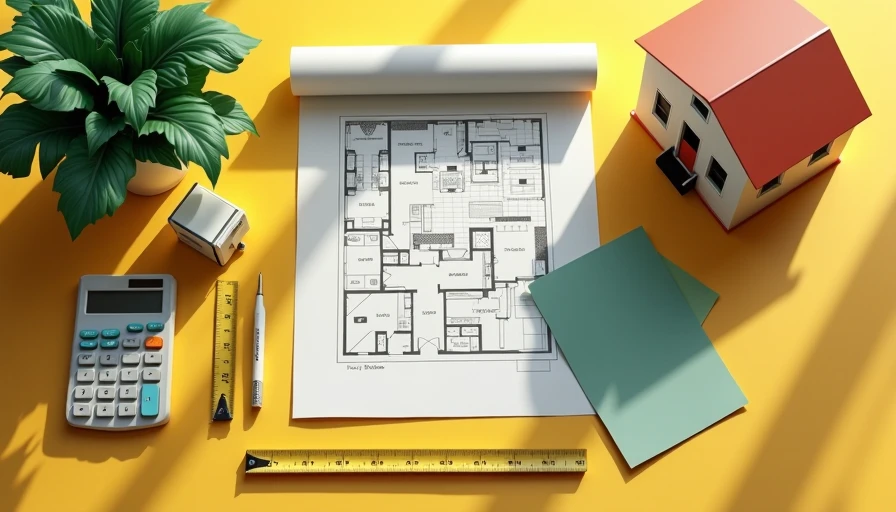
Also separate wants from must-haves. If the project runs hot, you need a cut list ready: maybe keep the existing layout, choose stock vanity sizes, or postpone premium fixtures. Good home renovation planning is not about spending less on everything. It is about knowing where to spend and where to hold the line.
Sequence the Work in the Right Order
If you do the right work in the wrong order, you still lose. Sequencing is where a lot of DIY projects and contractor-led jobs both get messy. The standard logic is simple: fix structure first, then systems, then close walls, then finishes.
In practical terms, that usually means this order:
- Demolition and debris removal
- Framing or structural correction
- Plumbing, electrical, and HVAC rough-in
- Insulation and inspections if required
- Drywall and prep
- Flooring, cabinets, trim, and paint
- Finish plumbing, finish electrical, punch list
The punch list matters more than people think. Doors need adjustment. Caulk lines need checking. GFCI outlets need testing. Faucets need leak checks. A room can look done and still hide ten small defects that become callbacks later.
A good sequencing plan also answers one ugly question up front: what will be unusable, and for how long? If your only shower is down for two weeks, that affects timing. If the kitchen is offline, set up a temporary sink and microwave station before demo starts. Home renovation planning should include how your family will live through the work, not just how the room will look after.
Decide What Is DIY and What Needs a Pro
I like DIY, but I do not recommend ego-driven DIY. The right split is based on risk, code, tools, and rework cost. Painting, trim, demolition, hardware swaps, simple flooring in the right conditions, and fixture replacement can be good homeowner jobs if you are patient and organized.
Licensed professionals are usually the smart move for service panel work, major plumbing changes, structural changes, gas lines, roofing, and anything where a mistake can create a safety issue or expensive concealed damage. Waterproofing in showers is another area where bad workmanship causes pain later. Tile is visible. The failure often starts behind it.
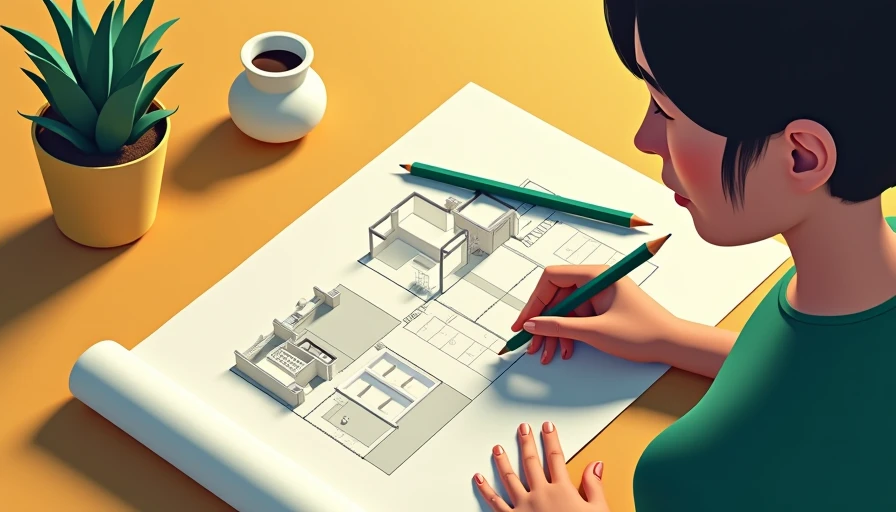
When comparing quotes, do not just compare price. Compare scope, allowances, lead times, cleanup, warranty language, and who is actually doing the work. A cheaper bid that excludes prep, disposal, or finish details is not cheaper once reality shows up.
My rule is simple: DIY the tasks where your failure mode is manageable. Hire out the tasks where your failure mode can flood, burn, collapse, or trigger major tear-out. Follow the procedure and everything will be fine.
Use Checkpoints So the Project Does Not Drift
Every renovation needs decision checkpoints. Without them, small changes stack up until the budget and schedule no longer resemble the original plan. I use five checkpoints.
- Scope freeze: confirm layout, materials, and finish level before ordering.
- Pre-demo check: verify measurements, shutoffs, lead times, and waste plan.
- Rough-in review: photograph walls before closing them and confirm locations.
- Finish review: inspect surfaces in daylight before final installation.
- Punch-list closeout: test every switch, drain, door, and appliance.
Take photos at every stage. Save receipts, model numbers, paint codes, and contractor notes in one folder. That sounds obsessive until you need one matching trim piece six months later.
The biggest win in home renovation planning is not perfection. It is controlled execution. You know the scope, the budget range, the work sequence, and the go or no-go points. That is how you avoid turning a useful upgrade into a stress machine. Plan first, demo second. The dust will come either way, but at least this time it will be moving in the right direction.



No signals yet — transmit the first.