If you own a home in the Midwest, knowing when should you replace your roof in Midwest is critical to avoid expensive interior damage. Between heavy snow, freezing rain, and summer storms, your roof takes a beating that shortens its lifespan compared to milder climates. I have helped friends and neighbors navigate this decision, and the short answer is: it depends on age, visible wear, and how your roof handles weather. Let’s break down the signs, costs, and timing so you don’t wait until water is dripping into your living room.
I work in manufacturing project management, and I apply the same logic here. Scope the problem, sequence the steps, then spend money. Replacing a roof is a big expense — often between $6,000 and $15,000 for a typical Midwest home — so you want to be sure it’s necessary. This guide will walk you through exactly what to look for and when to act.
Key Signs It’s Time to Replace Your Roof in the Midwest
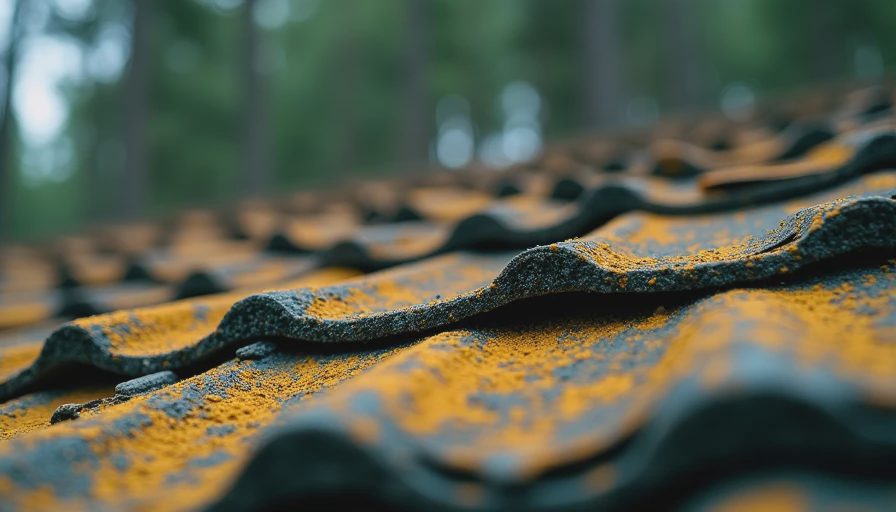
Your roof won’t last forever. Asphalt shingles, the most common choice in the Midwest, typically last 20–25 years. But Midwest weather can shave years off that estimate. Here are the specific signs that say replace, not repair:
- Curling or buckling shingles. When shingle edges curl up or the middle warps, they lose their seal against wind and rain. This is common after 15 years in our climate.
- Missing granules. Check your gutters and downspouts. If you see piles of black or brown sand-like granules, your shingles are deteriorating. Granule loss accelerates UV damage and reduces fire resistance.
- Cracked or missing shingles. After a hail storm, walk around and look for cracked, torn, or missing shingles. In the Midwest, hail is a frequent culprit.
- Daylight through the roof deck. Go into your attic on a sunny day. If you see light coming through the roof boards, you have gaps. That means water already has a path inside.
- Water stains on ceilings or walls. Brown rings or peeling paint inside your home are late-stage warnings. By the time you see these, the roof deck may already be rotting.
If you spot two or more of these issues, it is time to seriously consider replacing your roof. Ignoring them leads to mold, rot, and insulation damage that can cost thousands more.
The Midwest Climate Factor: How Weather Accelerates Roof Aging
The reason when should you replace your roof in Midwest is such an important question is our weather. Unlike the South, where heat is the main enemy, the Midwest deals with freeze-thaw cycles. Water seeps into tiny cracks, then freezes and expands, making those cracks grow. Over several winters, this process turns small defects into major leaks.
Heavy snow loads also stress the roof structure. A foot of wet snow can weigh thousands of pounds. If your roof is old and the deck is already weak, that weight can cause sagging or even collapse. And summer hailstorms (common from Colorado to Minnesota) can bruise or crack shingles, reducing their lifespan by five to ten years.
In short, a Midwest roof typically lasts 15–20 years under asphalt shingles, compared to 25+ years in milder areas like the Pacific Northwest. Metal roofs last longer — 40–70 years — but cost two to three times as much upfront.
How to Inspect Your Roof Without Getting on a Ladder (If You Can Avoid It)
I am not a fan of roof walking unless you have safety gear and experience. Here is how to inspect from the ground:
- Use binoculars from across the street. Look for lifted or missing shingles, dark patches (granule loss), and flashing damage around chimneys or vents.
- Check the gutters. After a heavy rain, look for shingle granules in the downspout splash block. Also check for pieces of shingle tab or nail heads that have fallen off.
- Look at the attic. On a sunny day, turn off the lights and look for any light leaks. Also sniff for musty smells — that indicates moisture buildup from a slow leak.
- Check interior walls. During a rainstorm, go upstairs and touch the ceiling around the edges of rooms. Any softness or bubbling paint means water is getting in.
If you see anything suspicious, call a roofing contractor for a free inspection. Most reputable companies will inspect your roof and give an honest opinion. But get two or three quotes because opinions vary.
What It Costs to Replace a Roof in the Midwest (2025 Range)
Costs vary by material, roof complexity, and location. Here are general ranges for a 1,800-square-foot ranch with a moderate pitch:
- Asphalt shingles (3-tab): $5,000–$9,000 installed. Cheapest upfront, shortest lifespan (15–20 years).
- Architectural shingles: $7,000–$14,000. Better wind resistance and a 25–30-year lifespan. Most common recommendation.
- Metal standing seam: $14,000–$25,000. Long life, excellent for snow shedding, but high initial cost.
- Wood shakes or slate: $20,000+. Rare in the Midwest due to moisture and fire concerns.
Factor in tear-off, underlayment, flashing, and disposal. If your roof has multiple layers, removal costs more. And if the deck sheathing is rotten, add $500–$1,500 for repairs.
When to Call a Pro vs. DIY Inspection
You can do the ground inspection yourself, but replacing a roof is not a weekend DIY project unless you have a crew and experience. I have helped friends replace a shed roof, but a house roof is dangerous: steep slopes, heavy bundles, and the risk of falling. The big cost savings come from getting multiple quotes and timing the job right.
Call three contractors, get written bids, and compare. Look for licenses and insurance (especially in states like Indiana and Illinois). Avoid storm chasers — out-of-state crews who show up after a hail event. They often do low-quality work and skip town.
When should you replace your roof in Midwest? The simplest answer: when it is over 20 years old AND shows two or more warning signs. If you miss those signs, the cost doubles. I once helped a neighbor who waited too long — the water damage required tearing out a corner of her drywall and insulation, adding $3,000 to her bill.
A Simple Timeline for Replacement Planning
- 0–10 years: Monitor. After a hail storm, do a quick ground check. No action needed unless you see damage.
- 10–15 years: Start saving. Set aside $50–$100 per month into a home repair fund.
- 15–20 years: Inspect annually. If you see curling or granule loss, plan for replacement within two years.
- 20+ years: Replace if original roof. Even if it looks okay, the waterproofing layer underneath is likely failing.
Follow the procedure and everything will be fine. Your roof is the most critical weather barrier on your house. Knowing when to replace it saves money and stress. If you are seeing any of the signs I described, do not delay — get an inspection scheduled this month.




No signals yet — transmit the first.