Every year, thousands of homeowners lose money to shady roofing contractors. If you need a roof repair or replacement, knowing common roofing scams and red flags could save you thousands. In my years managing construction projects—and from helping neighbors avoid bad deals—I've seen the same patterns repeat. Follow the procedure and you can keep your money where it belongs: on a quality roof, not in a scammer's pocket.
The High-Pressure Storm Chaser Pitch
After a big storm, you'll see trucks with out-of-state plates cruising the neighborhood. These "storm chasers" knock on doors offering quick repairs and insurance claim help. Their pitch is urgent: "Your roof is damaged. I can fix it today—just sign here." They often demand a large deposit upfront and promise to handle everything with your insurance company.
Here’s the problem: They may do shoddy work, disappear before the job is done, or leave you with a lien because they didn't pay their suppliers. A legitimate local roofer doesn't need to chase storms. They have steady work from repeat customers and referrals.
Red flag: Any contractor who pressures you to sign immediately, insists on a cash-only deposit of more than 10% of the total, or offers a "special" price only if you sign today. My rule: never sign anything during the first visit. Get at least three written estimates from local, established companies.
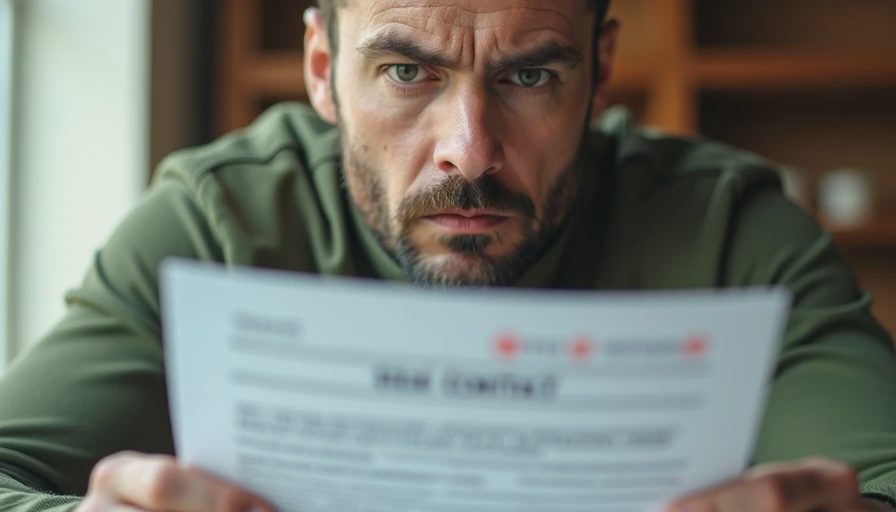
The "Free Inspection" That Turns Into a Demand
Another common roofing scam starts with a free inspection. The contractor climbs up, comes down with a flashlight and a serious face, and shows you "damage" that supposedly needs immediate repair. They might even offer to waive the deductible or "help you" file an insurance claim.
What they're really doing is manufacturing a problem that doesn't exist. They may show you a few loose shingles that are perfectly fine or point to normal wear and tear as catastrophic damage. If you agree, they'll start work, then tack on extra charges mid-project.
Red flag: A roofer who says your roof is in worse shape than other contractors claim or who pushes you to file a claim for minor damage. Always get a second or third opinion before agreeing to any work. A reputable roofer will provide a detailed written report with photos of the actual damage.
How to Verify a Contractor Before You Hand Over a Penny
Follow the procedure and verify everything before you pay. Start with these steps:
- Check license and insurance. Ask for their state roofing contractor license number and verify it online. Require proof of general liability insurance and workers' compensation. Call the insurance agent to confirm the policy is active.
- Look up their business history. Search the Better Business Bureau website and state consumer protection agency for complaints. A few complaints may be normal; a pattern of unresolved issues is a red flag.
- Get references. Ask for at least three recent local references. Call them and ask about the quality of work, timeline, and whether any problems came up after the job.
- Research their physical address. A contractor with only a PO box or a cell phone number may be harder to find later. A local yard or office is a good sign.
Red flag: Contractors who give excuses why they can't provide proof of insurance, or whose license number doesn't match their business name. If they can't produce a business card with a local address, walk away.
Red Flags in the Contract You Cannot Ignore
A written contract protects both you and the contractor. If something is missing or looks off, don't sign. Here's what a solid contract should include:
- Full company name, address, phone, and license number
- Detailed scope of work (materials, brand, color, thickness, underlayment, flashing)
- Start and completion dates
- Payment schedule (never pay more than 10% down, or 20% for large jobs)
- Warranty information (workmanship and materials)
- Clean-up and debris removal terms
Red flag: Contracts with blank spaces, vague descriptions like "brand-name shingles" without specifics, or a demand for full payment upfront. Also watch for clauses that let the contractor change the price without your written approval.
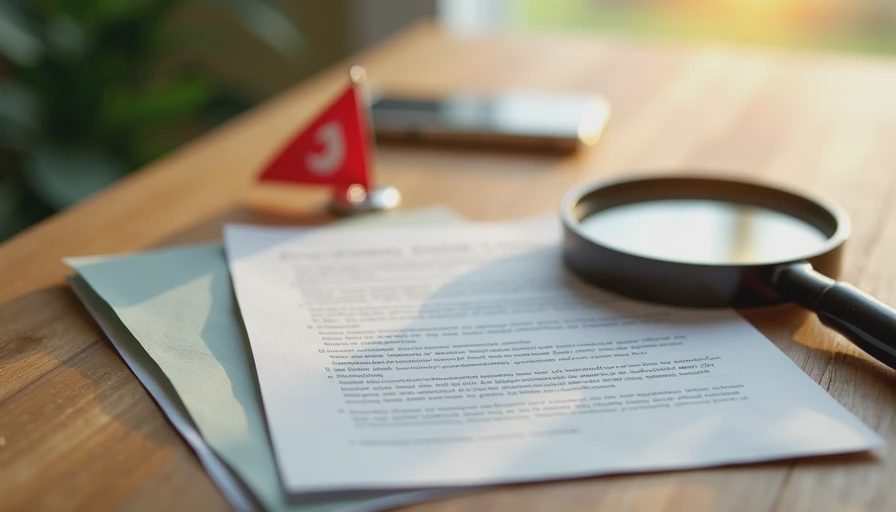
What to Do If You Suspect a Roofing Scam
If you already signed a contract or paid a deposit and now think you've been scammed, act fast. First, put a stop payment on any check or cancel your credit card transaction. Document everything: take photos, save texts and emails, and write down what was promised versus what was done.
Second, file a complaint with your state attorney general's office, the Better Business Bureau, and your local police department. They may not recover your money immediately, but a complaint helps warn others.
Third, call a legitimate local roofer for a damage assessment. They can tell you if any work was done correctly and give you a quote for finishing or fixing the job.
Red flag: If the contractor threatens you or demands more money after you question the work, call the police. This is not a business dispute; it's intimidation.
Final Thoughts
Roofing scams thrive on urgency and fear. When you understand common roofing scams and red flags, you can slow down, verify everything, and make a calm decision. Megan says I'm too rigid about this stuff, but I've seen too many neighbors pay twice—once to the scammer and once to the real roofer who fixed the mess. Follow the procedure: inspect, verify, contract, then pay. You'll sleep better under a sound roof.
Remember, a legitimate roofer expects you to ask questions and check references. If they push back or get defensive, that's a red flag by itself. Take your time, get multiple bids, and never let a storm-chaser rush you into a bad decision.



No signals yet — transmit the first.