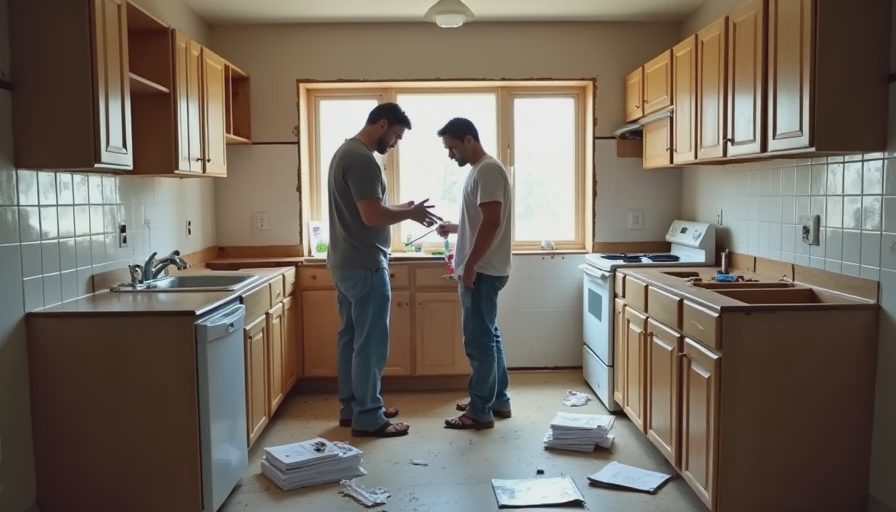
You’ve scoped the project and started with good intentions of keeping it “budget-friendly.” Then reality creeps in. What began as a $2,500 refresh quietly heads toward $5,000 or more. I’ve watched this pattern on our own house and on job sites for years. There are usually three clear warning signs that tell you a budget remodel is turning expensive.
Recognizing them early lets you make conscious decisions instead of sliding into uncontrolled spending.
Sign 1: The Scope Keeps Expanding (“While I’m In There” Syndrome)
This is the most common and dangerous sign.
You start with “just replace the vanity and faucet.” Then you notice the walls need patching, the flooring doesn’t match, the lighting is outdated, and the exhaust fan is noisy. Suddenly you’re doing a full bathroom refresh.
Why it happens: Opening walls or removing fixtures reveals hidden issues in 1980s homes — old plumbing, questionable wiring, water damage, or out-of-square construction.
Early warning: If your weekend project list grows by more than one significant item, stop and reassess the full scope and budget. I now force a formal re-scope meeting with myself (and Megan) whenever this starts happening.
In our main bathroom I caught this early. What started as new fixtures turned into waterproofing and minor plumbing updates. I deliberately stopped there instead of expanding into tile replacement. Saved us from turning a $900 job into a $4,500 one.
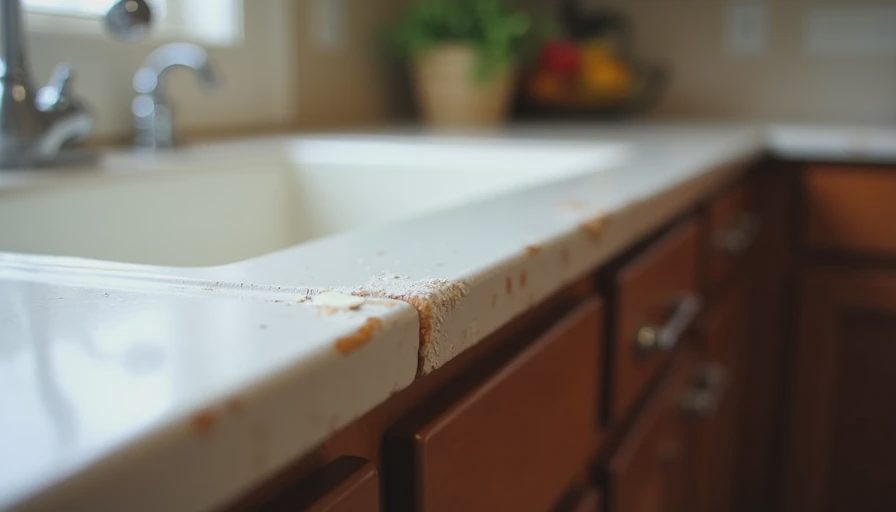
Sign 2: You’re Making Frequent Emergency Store Runs for “Small” Items
One or two forgotten items is normal. Five or more trips, especially for increasingly expensive fixes, means your original material takeoff and planning were inadequate.
What it really signals:
Underestimated waste and contingencies
Cheap materials failing or not performing as expected
Missing supporting components (transition strips, extra fasteners, specific primers, etc.)
Discovery of compatibility issues with existing house elements
Real example: During a hallway flooring project I bought “budget” underlayment. It compressed poorly and I had to go back for better product plus leveling compound. Those extra runs added $340 and two extra days. Had I bought proper materials from the start, the total would have been lower.
Follow the procedure and everything will be fine. If you’re at the store more than twice for the same project, pause and do a fresh full material review.
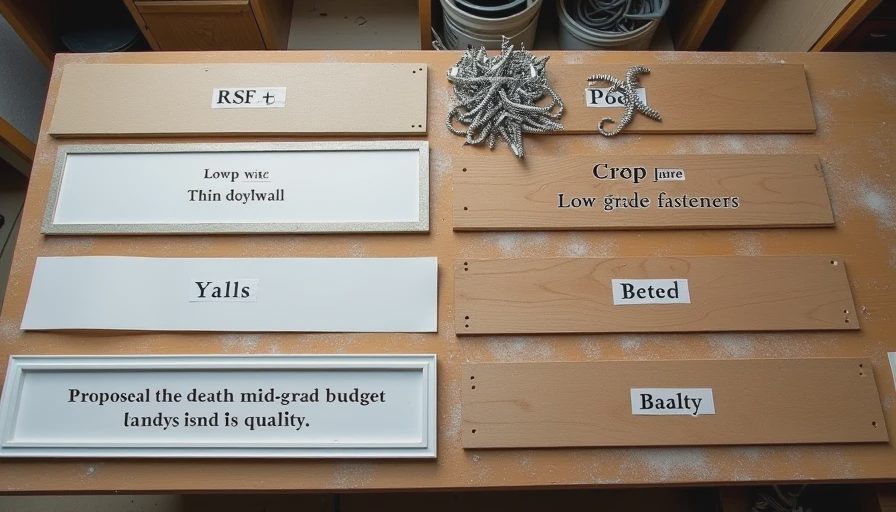
Sign 3: You’re Compromising on Quality to “Stay on Budget”
This is the sneakiest sign. You start choosing the absolute cheapest option in every category to keep the spreadsheet looking good.
Thin laminate instead of better rigid core
Builder-grade fixtures that feel cheap
Low-end paint that requires extra coats
Fasteners and hardware that won’t last
The hidden cost: Cheap materials either fail early (requiring redo) or look bad immediately, making the whole project feel low-quality. You end up spending more time and money fixing or replacing them.
I learned this on a garage storage wall. I went ultra-cheap on hooks and brackets to save $60. Half of them pulled out within a year and I had to redo the entire section with proper hardware. Net loss of time and money.
Megan has a good eye for this. She’ll point out when something “looks budget” in a way that won’t age well. She’s usually right.
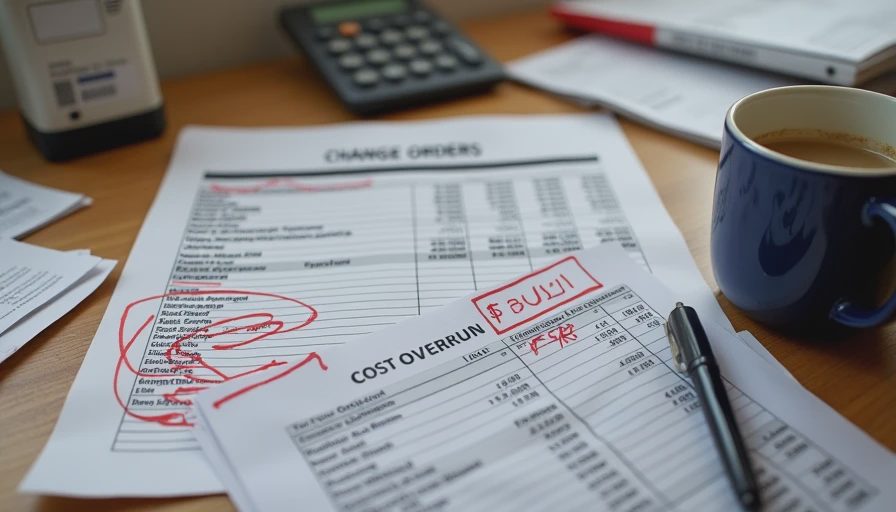
How These Three Signs Connect and Compound
One sign rarely stays alone:
Scope creep leads to more discoveries
More discoveries require more store runs
Store runs tempt you to buy cheaper options to “catch up”
The result is a project that takes longer, costs more, and delivers less satisfaction than a properly scoped mid-range approach.
If you see two or more of these signs, three to six months from now you’ll likely be looking at a half-satisfied result and lingering repairs.
My Decision Rules When Signs Appear
Pause and Re-scope — Write down the new full scope and realistic budget range.
Prioritize Ruthlessly — What must be done now vs what can wait?
Adjust Quality Selectively — Spend more on high-wear or highly visible items. Save on areas that are hidden or low-use.
Consider Phasing — Complete one clean phase instead of a rushed full job.
Know Your Walk-Away Number — I set a hard upper budget limit before starting. If we cross it, we reassess or delay.
Prevention: Better Upfront Planning
The best way to avoid this trap is strong scoping and takeoff discipline (see earlier articles). Build in 25% contingency for any remodel involving older house unknowns. Get one contractor quote even if you plan to DIY — it reveals items you missed.
For our house I now use this simple test before approving any “budget remodel” expansion:
Will this change still make sense in 5 years?
Am I solving the root issue or just patching symptoms?
Is the additional cost delivering proportional long-term value?
Final Thought
A true budget remodel isn’t about spending the least possible. It’s about spending wisely on the right things and stopping before you create new expensive problems. Sometimes doing less, but doing it properly, is the real money saver.
Measure first (watch for these three signs early), then cut (make deliberate adjustments). Stay disciplined and your “budget” projects will actually stay budget-friendly while delivering results you’re proud of for years.




No signals yet — transmit the first.