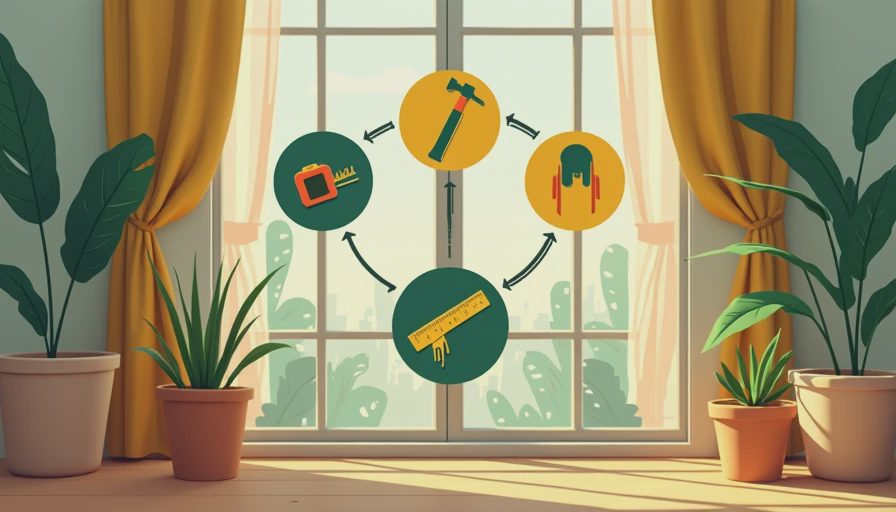
Every DIY project comes with a set of predictable **DIY failure modes**. I've seen them in my own garage and in forums across the web. As a project manager by trade, I've learned to spot these patterns early. Follow the procedure and everything will be fine, but skipping the diagnosis stage is the fastest way to waste money and materials. In this guide, I'll walk you through the most common failure modes and show you how to sidestep them using the same process logic I use on the factory floor.
What Exactly Are DIY Failure Modes?
A failure mode is simply a specific way something can go wrong. In manufacturing, we document every possible failure mode for a process and then put controls in place to prevent it. The same mindset applies to home improvement. When you hang a shelf, the failure mode might be the drywall anchor pulling out. When you tile a backsplash, it could be uneven grout lines or tiles that pop loose. By naming the failure mode beforehand, you give yourself a target to work around. The most common **DIY failure modes** fall into three categories: material choices, sequence errors, and budget miscalculations. If you can diagnose these before you start, you cut your risk in half.
The Three Most Common DIY Failure Modes
**Material failure modes** happen when you pick the wrong product for the job. For example, using regular painter's tape instead of frog tape for sharp lines — that's a failure mode. Or buying a cheap circular saw blade for a ripping cut and ending up with a burned edge. **Sequence failure modes** occur when you do steps out of order. I once installed baseboards before painting the walls. What a mess. And **budget failure modes** come from underestimating costs. You plan for lumber, but forget about fasteners, blades, and the extra trip to the hardware store. Each of these **DIY failure modes** is avoidable with a little upfront thinking.
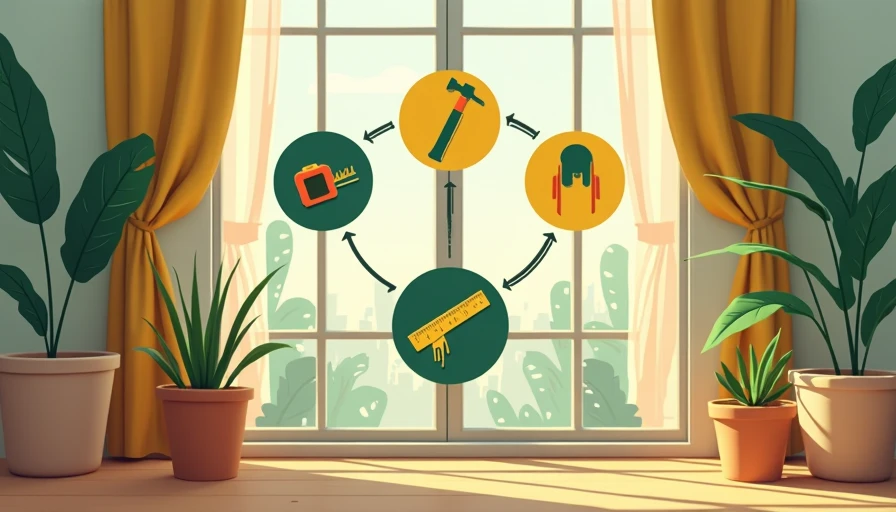
How to Prevent Material-Related Failure Modes
Start with a material takeoff. List every single component you'll need — not just the big items. If you're building a deck, that includes joist hangers, screws, flashing, and even the concrete tubes. I keep a spreadsheet for every project. Then I add 10% to the quantity as waste factor. For finishes like paint or stain, buy the whole job at once from the same batch. Different batches can vary slightly in color, and that's a subtle failure mode you won't notice until you're staring at a wall with two shades. Also, read the manufacturer's instructions before you buy. Many **DIY failure modes** start with ignoring the label. That primer you picked? It may not be compatible with the paint you chose.
Sequence Mistakes: The Hidden Failure Mode
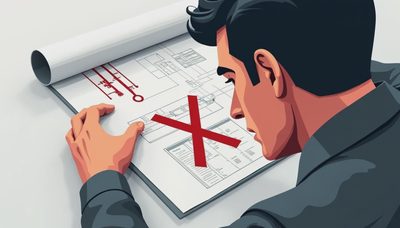
Sequence is everything. In manufacturing, we use a process flow diagram to map out every step. For home projects, you need the same. The classic example: you install the vanity and then realize the plumbing rough-in is off by two inches. Fixing that now means removing the vanity. The sequence should have been: measure the rough-in, then pick a vanity that fits, then install. Another common sequence **DIY failure mode**: painting the ceiling after the walls are done. You'll get drips on your new wall paint. Always work top to bottom, rough to finish. Write down your sequence and check it against common sense. If you skip this step now, you may pay for it later.

Budget Failure Modes: When the Numbers Don't Add Up
Underestimating costs is practically a cultural tradition in DIY. But it doesn't have to be. A realistic budget includes materials, tools you don't already own, fasteners, adhesives, disposal fees, and at least 15% contingency. I also add a line item for my time. If the project will take 20 hours and I value my weekend at $50 an hour, that's $1,000. Sometimes it's cheaper to hire it out. The failure mode here is emotional attachment: you want to do it yourself, so you ignore the real cost. Run the numbers cold. If the total exceeds what you'd pay a pro, that's a red flag. This is one of those **DIY failure modes** that hits hardest after the fact.
How to Apply Project Management to Avoid DIY Failure Modes
It starts with a scoping document. Write down what you want to achieve, the constraints (budget, timeline, skill level), and the deliverables. Then list every failure mode you can think of. For each, note how likely it is and what the impact would be. Then put a control in place. For example: “Failure mode: drilling into a pipe. Control: use a stud finder that detects live wires and pipes.” That simple act turns a vague worry into a concrete step. I also do a pre-mortem: imagine the project is finished and it failed. What went wrong? That exercise uncovers **DIY failure modes** you hadn't considered. Then add those controls to your plan.
Final Thoughts: Treat Every Project Like a Process
You don't need to be an engineer to think this way. You just need to pause before you dive in. Name the failure modes. Write down the sequence. Check your budget twice. When Megan says I'm too rigid, she may be right, but the process saved me again. I've avoided countless **DIY failure modes** by simply slowing down and asking, “What could go wrong right here?” Then I do something about it. That's the whole method. Follow the procedure and everything will be fine.


No signals yet — transmit the first.