
Renovation mistake prevention can save you thousands of dollars and months of stress. As a project manager in automotive manufacturing who spends weekends on home projects, I’ve seen the same mistakes happen over and over. Poor planning, skipping sequence checks, and underestimating costs lead to endless headaches. Whether you’re remodeling a bathroom or finishing a basement, the process is the same: scope, budget, sequence, and safety. Follow these steps and you’ll avoid the traps that catch most homeowners.
Why Renovation Mistakes Happen
Most renovation mistakes don’t come from bad labor or cheap materials. They come from skipping steps in the planning phase. Homeowners get excited, tear out a wall, and realize they forgot to check the plumbing behind it. Or they order materials before verifying measurements, then pay restocking fees. I’ve done it myself—once I ordered tile without accounting for the thickness of the backer board, and the floor came out uneven. The fix cost me a weekend and extra mortar. The root cause? Skipping the sequence. Renovation mistake prevention starts with slowing down and thinking like a project manager.
Step 1: Scope Before Sawdust
Before you touch a hammer, write down exactly what you’re doing. This is called a scope statement. List every room, every fixture, every finish. Include the things you think are obvious, because those are the ones you’ll forget. For example, if you’re remodeling a kitchen, your scope should list cabinet heights, counter depths, sink placement, and even where the trash can goes. Then ask yourself: does this scope match my budget and timeline? If you want marble countertops but have a laminate budget, you need to adjust now. A clear scope prevents the “while we’re at it” spiral that balloons costs by 30% or more.

Step 2: Build a Realistic Budget
Budgeting is where most people fail. They pick a number based on a TV show or a neighbor’s estimate, then blow past it. A realistic budget includes materials, labor, permits, dump fees, and a 15% contingency for surprises. For a typical bathroom remodel in the Midwest, expect to spend $8,000 to $15,000 for a midrange job. A full kitchen can run $20,000 to $40,000. I always tell homeowners to get three quotes, but don’t just pick the lowest. Look for scope gaps—some contractors exclude paint or trim. Write every line item into a spreadsheet. Renovation mistake prevention means you know exactly where every dollar goes before you spend it.
Step 3: Create a Sequence Plan
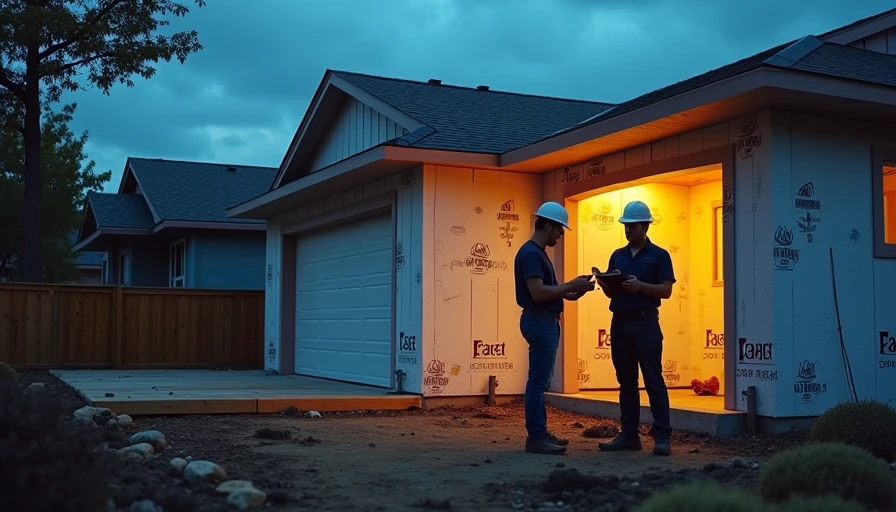
Sequence is everything. You don’t paint before you drywall, and you don’t install cabinets before the flooring. But there are less obvious steps: rough-in plumbing before insulation, electrical before drywall, and inspections before closing up walls. In my garage workshop, I use a whiteboard to map out the order. Each task depends on the one before it. If you skip an inspection, you might have to tear open a ceiling to fix a pipe that wasn’t properly vented. That’s a failure mode that costs time and money. Write the sequence down, check off each step, and don’t move forward until the current step is complete and verified.
Step 4: Know Your Go/No-Go Points
Every project has decision points where you can pause and assess. Before ordering custom windows, confirm the rough openings are correct. Before pouring concrete for a patio, check the grading and drainage. These are go/no-go moments. If something feels off—say, a wall is not square or a floor has a hump—stop and fix it before continuing. I once ignored a slightly crooked wall in my own house because I was in a hurry. The cabinets didn’t fit right, and I spent two days shimming and scribing. A two-hour fix upfront would have saved all that. Renovation mistake prevention means listening to your gut and the torque wrench: when resistance feels wrong, back off and recheck.
Step 5: Learn from Failure Mode Notes
Failure modes are what I call the common mistakes I’ve seen or made. They include: underestimating demolition time, ordering materials before measuring twice, and assuming permits are optional. Permits may seem like a hassle, but they protect you from unsafe work and resale issues. Another failure mode: hiring a friend or the cheapest bid without checking references. I always ask for recent projects similar to mine and call those homeowners. If they’re happy, that’s a green flag. If they’re evasive, move on. Document these notes for your next project—each failure teaches you something. Over time, your renovation mistake prevention system becomes second nature.
Final Checklist for Every Project
- [ ] Scope written and reviewed with all decision-makers
- [ ] Budget with 15% contingency
- [ ] Three quotes with identical scope
- [ ] Permits pulled before work starts
- [ ] Sequence whiteboard with dependencies
- [ ] Go/no-go points identified
- [ ] Safety gear and first aid kit on site
- [ ] Failure mode notes from past projects reviewed
Follow the procedure and everything will be fine. Megan says I’m too rigid, but the process saved me again. Whether you’re a first-timer or a seasoned DIYer, renovation mistake prevention is about discipline, not luck. Stick to the steps, stay patient, and you’ll come out with a home you love and a budget you can live with.

No signals yet — transmit the first.