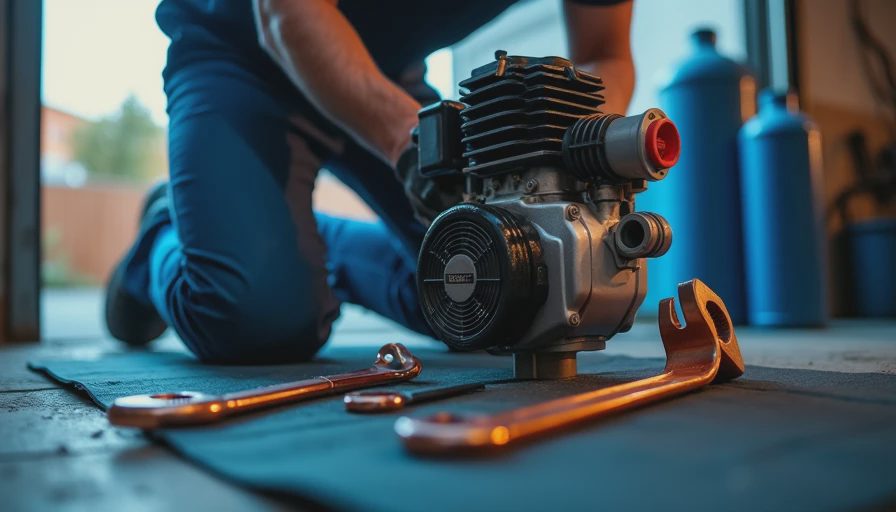
If you own a lawn mower, string trimmer, or pressure washer, small engine maintenance isn't optional—it's the difference between a reliable tool and a frustrating breakdown. I've been maintaining small engines in my garage for years, and I can tell you: follow the procedure and everything will be fine. Regular small engine maintenance extends the life of your equipment, saves you money on repairs, and prevents those mid-job failures that ruin a weekend project. Let's walk through the essential steps every homeowner should know.
Why Small Engine Maintenance Matters
Skipping routine small engine maintenance is like ignoring the oil change light in your car—eventually, something expensive breaks. Most small engine failures come from stale fuel, dirty air filters, or neglected oil changes. A simple 30-minute checkup at the start of the season can prevent a $200 repair bill later. I've seen lawn mowers that barely run after a winter of neglect come back to life with fresh fuel and a new spark plug. The cost of maintenance supplies—oil, filters, fuel stabilizer—is under $30 for most engines. That's a fraction of a single service call from a repair shop.
The Fuel System: The Most Common Failure Point
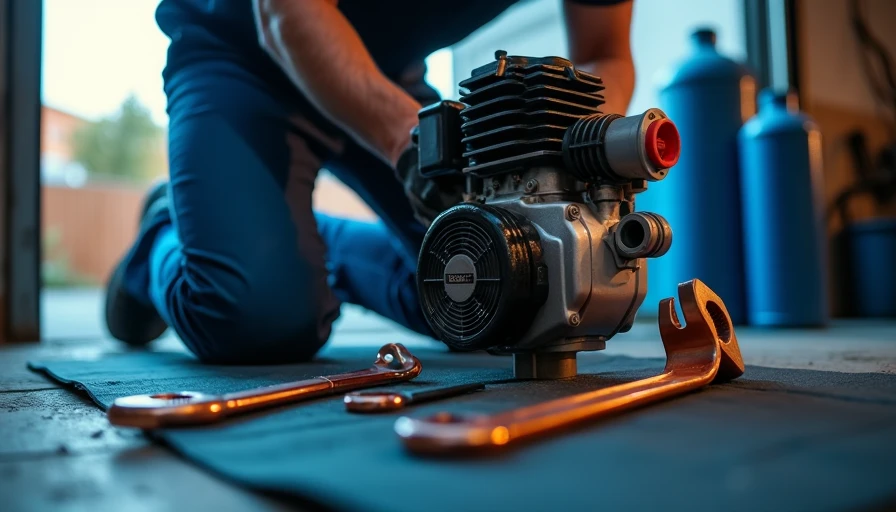
Ethanol-blended gasoline is the number one enemy of small engines. It absorbs moisture, separates, and leaves varnish deposits that clog carburetors. The fix is simple: use ethanol-free fuel when possible, or add a fuel stabilizer like STA‑BIL to every tank. For seasonal equipment, run the engine dry before storage, or drain the carburetor bowl. I use a fuel shut-off valve on my mower and run it until it stalls—takes two minutes and eliminates most fuel-related issues. If you're storing for more than 30 days, treat the fuel. This single step of small engine maintenance will save you from rebuilding a carburetor.
Oil Changes: Simple but Often Skipped
Most small engines need an oil change every 50 hours of operation or once a year. Dirt and moisture break down the oil, which increases wear on pistons and bearings. The procedure: warm up the engine for a few minutes, tip it to drain (or use a siphon pump), refill with the recommended viscosity (usually SAE 30 or 10W‑30), and check the level. Dispose of old oil at an auto parts store. Skipping an oil change can lead to engine seizure—a failure that often costs more to fix than the equipment is worth. Write the date on a sticker near the dipstick so you know when it's due.

Air Filters and Spark Plugs: Quick Checks That Save Headaches
A dirty air filter restricts airflow, making the engine run rich, waste fuel, and lose power. Foam filters can be washed with soapy water and re‑oiled; paper filters need replacement. Check the filter every 25 hours or monthly during mowing season. Spark plugs should be replaced annually—they're cheap (around $5) and take five minutes to swap. Use a gap gauge to set the correct gap before installing. A worn plug causes hard starting and misfires. These two items are the most overlooked parts of small engine maintenance, but they're the easiest to keep on schedule.
Off-Season Storage: How to Prep for Next Year
Proper storage is where most homeowners drop the ball. At the end of the season, change the oil, stabilize the fuel (or drain it), remove the battery if applicable, and clean the exterior. I store my mower in a dry corner of the garage with a cover. For engines that sit all winter, pull the spark plug and squirt a teaspoon of oil into the cylinder, then crank it a few times to coat the walls—prevents rust on rings. This whole process takes about an hour and ensures the engine starts right up next spring. Neglecting storage is the most expensive small engine maintenance mistake you can make.
Common Small Engine Problems and Fixes
Even with good maintenance, issues pop up. Engine won't start? Check fuel, spark, and compression. Flooded engine? Let it sit with the throttle wide open for 15 minutes. Running rough? Clean or replace the carburetor. I keep a small toolkit with a spark plug wrench, a screwdriver set, and a carburetor cleaning kit. For persistent problems, a compression test (available at auto parts stores for under $20) tells you if rings or valves are worn. Most problems are solvable with basic tools and patience—no need to drag everything to a shop.
A Simple Monthly Maintenance Checklist
To make small engine maintenance second nature, follow this checklist. **Before each use**: Check oil level, inspect air filter, top off fuel with stabilizer (if not already treated). **Monthly**: Clean or replace air filter, sharpen blade if needed, check spark plug, and examine belts for cracks. **Seasonally**: Change oil, replace spark plug, inspect fuel lines, and clean the carburetor. For example, I mark the first Saturday of each month on my calendar and spend 15 minutes running through these steps. That short time investment prevents 90% of common breakdowns. Stick to this routine, and your equipment will fire up every time you need it. Consistency is the secret to effective small engine maintenance.
Following these steps will keep your equipment running season after season. Small engine maintenance isn't complicated; it's just consistent. Measure first, then cut. Follow the procedure and everything will be fine.

No signals yet — transmit the first.