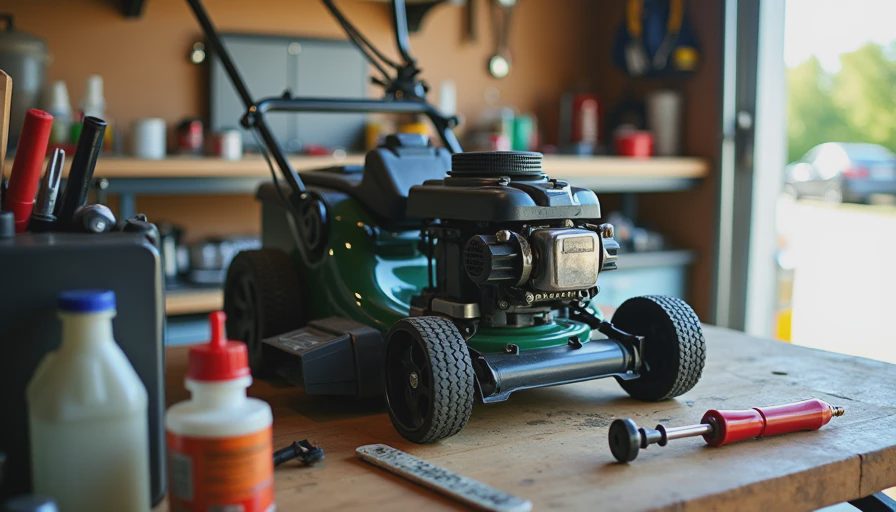
Sure. Your tool wall is organized and you’ve built solid systems in the garage. Now let’s talk about the equipment that actually does the work outside — the small engines.
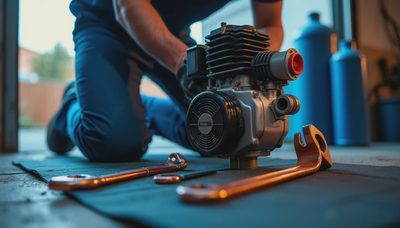
I used to be that guy who ran the mower until it started smoking or wouldn’t start in spring, then complained about buying new ones. Two expensive replacements taught me better. Now I follow a simple, repeatable maintenance routine that keeps our mower, snowblower, pressure washer, and trimmer running reliably year after year.
This isn’t complicated shop theory. It’s a practical schedule that fits around family life and weekend projects in Indianapolis weather.
Why Most Small Engines Fail Prematurely
Common failure modes I’ve seen (and caused):
Old fuel turns to varnish and clogs the carburetor
Dirty air filters starve the engine of air
Oil never changed or wrong type leads to internal wear
Ethanol in fuel attracts moisture and causes corrosion
Poor winter storage leads to seized engines by spring
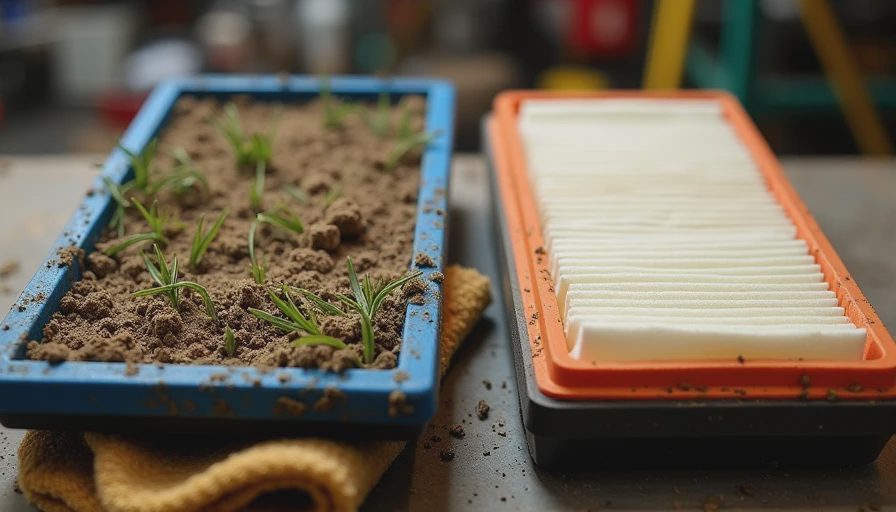
Skipping maintenance usually results in $300–$800 replacement costs every 3-5 years. Following a solid routine can easily double or triple equipment life.
Last year this routine saved me from replacing the riding mower. The engine was getting hard to start and running rough. After a thorough service it runs like new again. Saved roughly $1,800.
My Seasonal Small-Engine Maintenance Routine
I break it into three main periods: Spring Start-Up, Mid-Season Checks, and Winter Shutdown.
Spring Start-Up (March/April in Indiana)
Drain all old fuel from last season
Replace fuel filter and spark plug
Clean or replace air filter
Change oil (use manufacturer recommended weight)
Clean carburetor with spray cleaner if needed
Check and sharpen blades
Test run and adjust throttle/choke
Mid-Season Quick Checks (Every 25-30 operating hours)
Check oil level before every major use
Blow out or clean air filter
Inspect fuel lines for cracks
Clean grass buildup under deck
Check spark plug condition
Winter Shutdown (October/November)
Run engine dry or add fuel stabilizer and run for 5 minutes
Change oil while engine is warm
Remove spark plug and add a teaspoon of oil into cylinder, then pull starter a few times
Clean entire machine thoroughly
Store in dry place with breathable cover
Disconnect battery if equipped
Follow the procedure and everything will be fine.
Tools and Supplies I Keep Dedicated
I have a small bin labeled “Small Engine Maintenance” on the garage shelf:
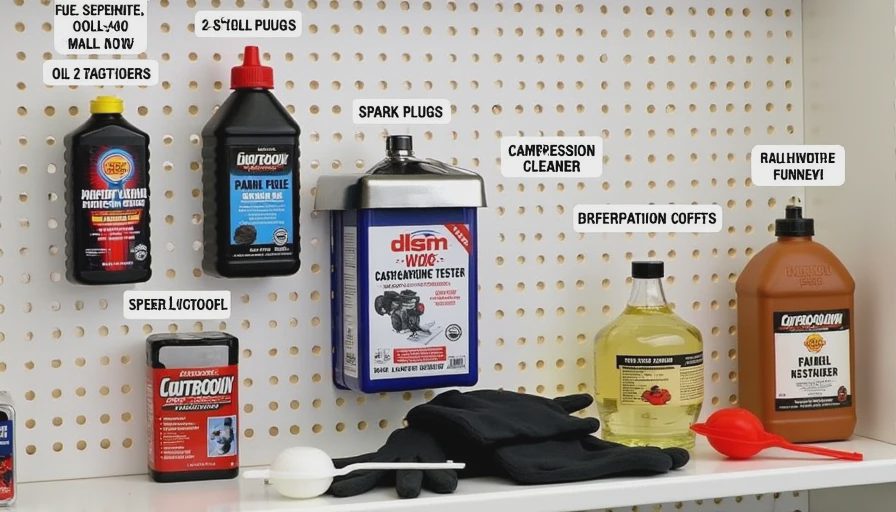
Fuel stabilizer
Fresh SAE 30 and 10W-30 oil
2-cycle oil for string trimmers
Spark plugs (correct type for each engine)
Air filters and fuel filters
Carburetor cleaner
Compression tester (cheap but useful)
Blade sharpening tool
Shop rags and gloves
Total investment in supplies is under $80 per year and prevents far more expensive problems.
Real Lessons from Our Garage
Two years ago I skipped proper winterization on the snowblower. Come December it wouldn’t start. Turned out old fuel had gummed up the carburetor. Cleaning it took half a day. Now I never skip the shutdown procedure.
The mower taught me about oil. I used to change it “when it looked dirty.” Switching to scheduled changes based on hours extended the engine life noticeably. Megan noticed the engine sounded quieter and smoother this season. She still calls my maintenance routine “overkill,” but she also likes not having dead equipment when the grass gets tall.
Storage Systems That Support Maintenance
Proper storage makes maintenance easier:
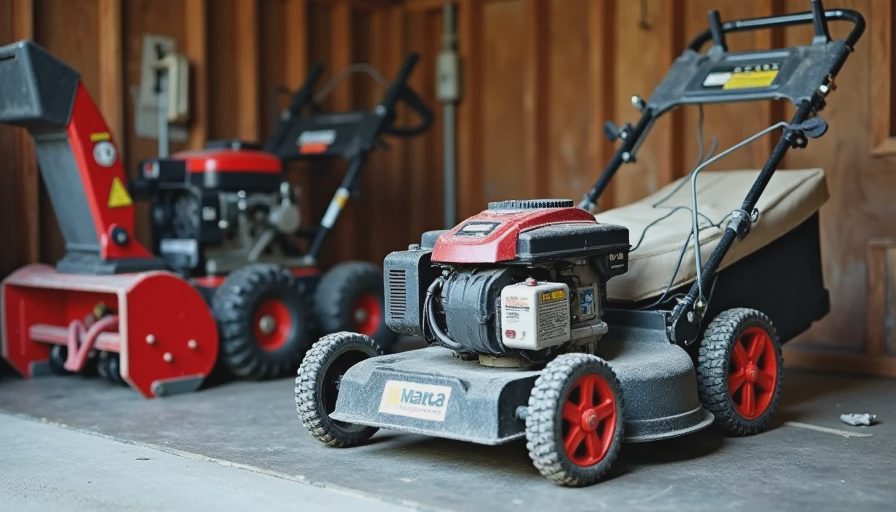
Dedicated corner for each major piece of equipment
Wall hooks for trimmers and blowers
Clear plastic bins for seasonal parts and filters
Fuel storage with date labels (I rotate fuel every 30 days)
Everything has a home so I’m not hunting for the right spark plug when I need it.
Warning: Never store equipment with untreated fuel over winter in Indiana’s temperature swings. The moisture and ethanol will ruin the fuel system.
Building the Habit
I keep a laminated one-page checklist in the small engine bin. After each use or at the end of season I pull it out and check items off. Takes 15-45 minutes depending on the job.
Start simple if you’re not doing this yet:
Buy fuel stabilizer and always treat fuel
Change oil at least once per season
Clean or replace air filter before spring
Drain fuel or stabilize before storage
Measure first (inspect condition and follow hours), then cut (perform the service). Once the routine is established, it becomes quick and prevents panic when you need the equipment most.
This system turned small-engine ownership from a recurring expense into a reliable part of our backyard setup. The mower that should have been replaced is still going strong, the snowblower starts on the first pull every winter, and weekend projects flow smoother because the tools I need are actually ready.
A well-maintained garage isn’t just about tools on the wall. It’s about keeping the equipment that serves the house in good working order too.
Follow the procedure and everything will be fine. Your equipment will last longer, run better, and save you significant money over the years.




No signals yet — transmit the first.