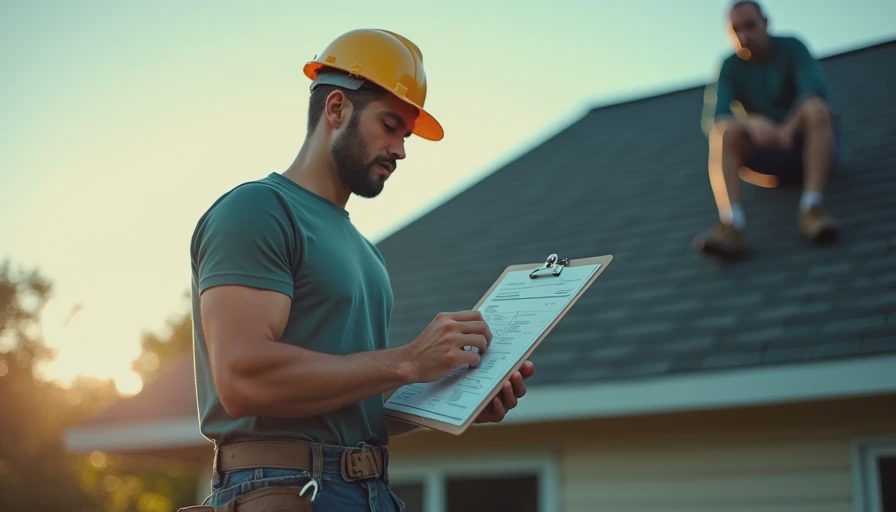
If you need a new roof, the first thing you’ll do is search for **roofing contractor quotes**. That makes sense — roofing is a major expense, and getting multiple **roofing contractor quotes** is the only way to know you’re paying a fair price. But here’s the problem: not all quotes are created equal. Some contractors lowball the bid and hit you with change orders later. Others inflate the price and hope you don’t shop around. I’ve seen it happen to neighbors in Indianapolis, and I’ve learned the hard way that comparing **roofing contractor quotes** takes more than looking at the bottom line.
Over the years, I’ve developed a process for evaluating bids that works like a shop-floor checklist. Follow it, and you’ll avoid the most common roofing contractor mistakes. Let’s walk through it step by step.
Why You Need Multiple Roofing Contractor Quotes
One quote tells you nothing. Two gives you a range. Three reveals the pattern. That’s the project manager in me talking. When you collect at least three **roofing contractor quotes**, you start to see what a fair price looks like in your market. In the Midwest, a basic asphalt shingle roof on a 1,800-square-foot house typically runs between $6,000 and $10,000, depending on pitch, layers, and complexity.
But price isn’t the only factor. You also get a feel for how each contractor communicates. Do they explain the scope clearly? Do they include line items for materials, labor, disposal, and permits? A messy quote often signals messy work. I always recommend getting quotes from three to five contractors. That sounds like a chore, but it’s the single best way to protect yourself.
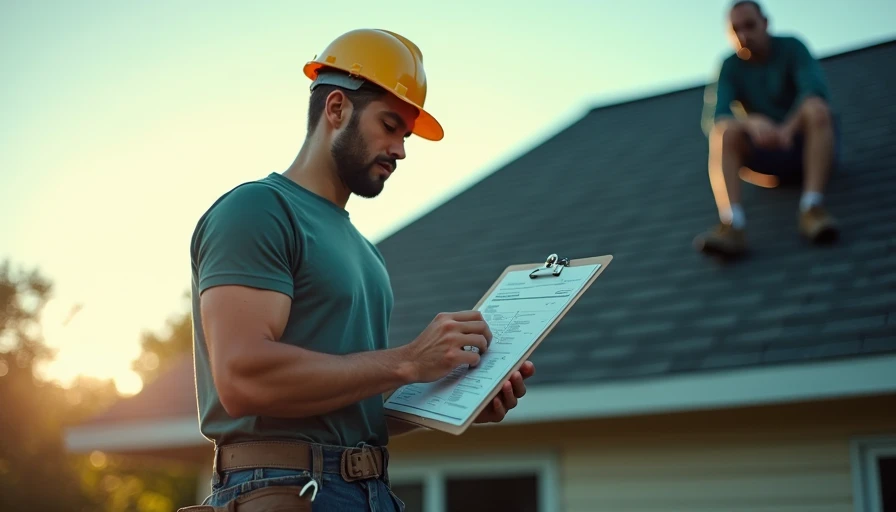
What a Good Roofing Contractor Quote Should Include
A proper quote isn’t just a number on a piece of paper. It’s a detailed scope of work. Here’s what every **roofing contractor quote** should spell out:
- **Materials:** Brand, type, color, and thickness of shingles. Also underlayment, flashing, ridge vents, and drip edge.
- **Labor:** What’s included — tear-off, installation, cleanup. Is there a charge for extra plywood if decking is rotten?
- **Permits and inspections:** Who pulls the permit? Does the quote include the final inspection fee?
- **Warranty:** Manufacturer warranty on shingles (usually 25–50 years) and contractor’s workmanship warranty (typically 1–5 years).
- **Payment schedule:** Deposit (should be no more than 10% or $1,000, depending on state law), progress payments, and final payment upon completion.
- **Timeline:** Estimated start and completion dates. Include weather contingencies.
If any of these items are missing, ask for clarification. A contractor who can’t produce a complete quote might cut corners on the job.
Red Flags in Roofing Contractor Quotes
Not all **roofing contractor quotes** are worth your time. I’ve spotted some red flags that should make you walk away immediately:
- **Prices that are dramatically lower than everyone else:** That’s a customer acquisition tactic. They’ll hit you with extras once the tear-off reveals rotten decking.
- **High-pressure sales tactics:** “Sign today and save $2,000” is a hard pass. Legitimate contractors don’t force deadlines.
- **No physical address or local phone number:** Storm chasers often show up after bad weather and disappear.
- **Request for full payment upfront:** Run. A deposit of 10–20% is normal, but never the full amount.
- **Vague language:** “We’ll fix the roof” without specifying how or with what materials.
Bottom line: if a quote feels off, trust your gut. Get another one.

How to Compare Roofing Contractor Quotes Side by Side
Once you have three or four quotes, lay them out in a spreadsheet. I do this for every home project. Here’s a simple comparison framework:
- **Total price** — but adjust for differences in scope. If one quote includes new gutters and another doesn’t, note that.
- **Material quality** — Are all quotes using similar shingles? A bundle of three-tab shingles costs less than architectural ones. Make sure you’re comparing apples to apples.
- **Warranty length** — Longer workmanship warranties often indicate a contractor who stands behind the work.
- **Schedule** — A contractor who can start next week might be less busy for a reason. Two to three weeks out is usually fine.
- **Cleanup and dumpster** — Some quotes include dumpster rental and magnet sweep for nails. Others charge extra.
I’ve found that the middle-priced quote often offers the best value, provided it’s complete and clear. The cheapest quote usually cuts corners, and the most expensive may include unnecessary upgrades.
When to Walk Away From a Roofing Contractor Quote
Sometimes the best decision is to reject all the quotes and start over. If every **roofing contractor quote** you get is missing key details or the contractors make you uncomfortable, pause. That’s your procedure. Better to wait a month and find the right team than to rush into a bad deal.
Also, if a contractor refuses to provide proof of insurance (liability and workers’ comp), do not hire them. One slip off your roof could leave you holding a medical bill. That’s not a risk worth taking.
Final Thoughts
Collecting and comparing **roofing contractor quotes** is a skill. The more you do it, the better you get at spotting what matters. Follow the process: get three to five quotes, compare every line item, and trust your gut when something feels off. As I always say, follow the procedure and everything will be fine.
If you take your time on the front end, you’ll end up with a roof that lasts and a price that makes sense. That’s the goal.


No signals yet — transmit the first.