
If you're facing a **roof replacement cost**, you're probably looking at a major expense. I've been through it myself on my 1989 house, and as a project manager, I approach every big home project the same way: scope first, understand the failure points, then budget accordingly. Roof replacement cost isn't just the price of shingles — it's the whole sequence of tear-off, deck repair, flashing, ventilation, and labor. Miss one step and you might pay for it later.
Let's break down what drives the cost, what you should expect to pay, and how to avoid getting blindsided.
What Determines Roof Replacement Cost?
Roof replacement cost depends on several factors. The biggest one is the **size of your roof**, measured in squares (one square = 100 square feet). Most U.S. homes average 20–30 squares. Next is **material choice**: asphalt shingles are the budget option, metal and tile cost more. **Pitch** matters too — steep roofs require extra safety gear and labor. **Accessibility** and **number of layers** also affect price. If your roof already has two layers of old shingles, tear-off takes longer.
**Labor rates** vary by region. In the Midwest where I live, you might pay $150–$300 per square for labor on asphalt. In coastal areas, add 20%–40%. **Permits** and **disposal fees** add a few hundred. And if the decking under the shingles is rotted, that's extra.
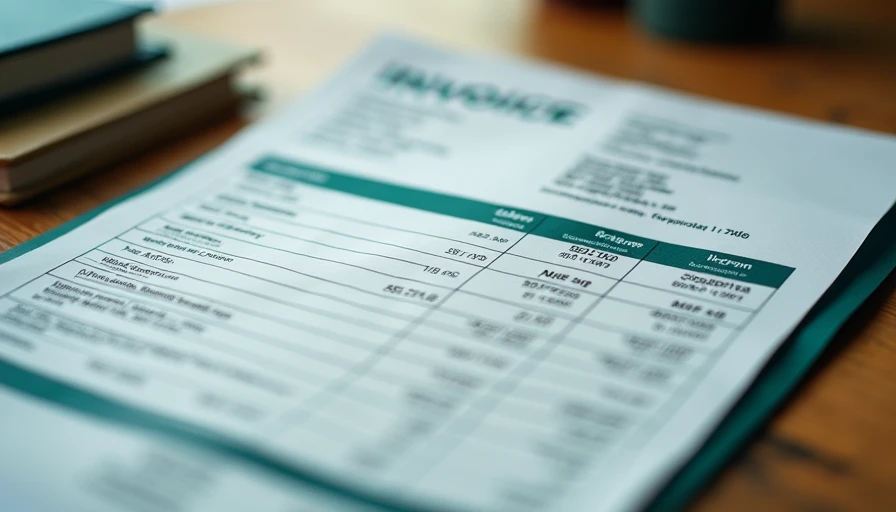
Average Roof Replacement Cost by Material
I always tell homeowners to get at least three quotes with the same scope. Here are typical ranges I've seen for a 2,000-square-foot house (20 squares) with a moderate pitch:
- **Asphalt Shingles (3-tab):** $5,000–$8,000. Most common, lasts 20–25 years. Brands like Owens Corning Duration or GAF Timberline HD are solid.
- **Architectural Asphalt Shingles:** $7,000–$11,000. Better look, wind resistance, and warranty.
- **Metal Roofing (standing seam):** $12,000–$22,000. Longer life (40+ years) but high upfront cost. Labor is specialized.
- **Wood Shakes:** $10,000–$16,000. Fire concerns in some areas.
- **Slate or Tile:** $20,000–$40,000. Premium, heavy, requires structural reinforcement.
According to HomeAdvisor, the national average roof replacement cost in 2025 is around $9,000, but that number is just a starting point.
How to Budget for Your Roof Replacement
Follow the procedure and everything will be fine. Here's a quick budget checklist:
- **Get a professional inspection** — don't rely on a sales pitch. A roofer should check decking, flashings, vents, and soffits.
- **Define your scope** in writing: tear-off, new underlayment, new flashing, ridge vents, clean up. Make sure each quote itemizes.
- **Set 10%–15% contingency** for hidden rot or plywood replacement. I had to replace two sheets of decking on my own roof — $150 each plus labor.
- **Check financing options** — some contractors offer 0% for 12 months, but only if you trust them.
- **Timing** — late summer/early fall is peak demand. Spring or late fall might get you a discount.

Hidden Costs to Watch For
I've seen plenty of homeowners get burned by stuff not in the initial quote. Here's what often gets missed:
- **Decking replacement** — if the sheathing is water-damaged, expect $50–$100 per sheet installed.
- **Flashing replacement** — around old chimneys, skylights, valleys. Cheap quotes often skip this.
- **Ventilation upgrades** — adding ridge vents or intake vents to meet code. Maybe $500–$1,000.
- **Permit fees** — $100–$500 depending on your municipality. Don't skip this.
- **Disposal and dumpster rental** — usually included but confirm.
- **Ice and water shield** — in northern climates, this is essential for ice dams. Adds $1–$2 per square foot.
Always ask: “What happens if you find rot during tear-off?” A reputable contractor will have a line-item price per sheet of plywood.
Should You DIY or Hire a Pro?
I'm a big DIYer, but roof replacement is different. It's dangerous, specialized, and one mistake can cause thousands in water damage. I've done small repair patches myself, but a full replacement? I hired a licensed roofer with insurance and a workmanship warranty. The **roof replacement cost** includes labor — and that labor is worth it for safety and reliability. If you have experience and a crew, doing it yourself can save 40% on labor, but don't try it alone on a steep roof.
Final Tips to Keep Roof Replacement Costs Under Control
- **Don't finance through the contractor** unless you verify the APR. Better to use a HELOC or savings.
- **Get a warranty** — at least 10 years on labor; material warranty from the manufacturer (like GAF's 50-year if installed by certified contractor).
- **Check insurance** — if your roof was damaged by hail or wind, your homeowners policy might cover some or all of the cost. Understand your deductible first.
- **Compare quoted materials** — not all asphalt shingles are equal. I prefer architectural to 3-tab for durability.
- **Consider metal** if you plan to stay in the house more than 15 years — the long-term savings can offset higher upfront cost.
Roof replacement is a major project, but with proper scope, honest quotes, and a contingency fund, you can manage it without surprises. Measure first, then cut. Follow the procedure and everything will be fine.



No signals yet — transmit the first.