If you're a homeowner considering a **home window upgrade**, you're not just improving curb appeal—you're tackling one of the most cost-effective energy efficiency projects available. A well-planned window replacement can lower your energy bills, reduce outside noise, and increase your home's value. But before you start shopping, let's break down the process like a project manager would: scope, sequence, budget, and failure points.
Why Upgrade Your Windows?
Old windows are the weak link in your home's thermal envelope. Single-pane glass or worn-out seals let conditioned air escape, making your HVAC work harder. Beyond energy waste, outdated windows can lead to drafts, condensation, and even rot in the surrounding framing. A **home window upgrade** addresses these issues directly. According to the Department of Energy, heat gain and loss through windows account for 25%–30% of residential heating and cooling energy use. Replacing single-pane windows with double-pane units can save you $100–$500 annually, depending on your climate and utility rates.
Types of Windows for Your Home Window Upgrade
Not all windows are created equal. Here are the most common options:
- **Double-Hung Windows**: Classic, easy to clean, and widely available. Both sashes tilt in for cleaning. Expect to pay $300–$700 per window installed.
- **Casement Windows**: Hinged at the side, crank open for excellent ventilation. They seal tightly when closed, making them very energy efficient. Price range: $400–$800.
- **Sliding Windows**: Affordable and simple. One sash slides horizontally. They work well in tight spaces. Cost: $250–$500 per unit.
- **Bay or Bow Windows**: Add square footage and natural light. Larger projection frames require structural support. Budget $1,000–$3,000 installed.
- **Awning Windows**: Hinged at the top, open outward. Great for rainy climates since you can leave them open. Cost: $350–$700.
Material choices matter too: vinyl is budget-friendly ($400–$700 installed), fiberglass is durable and energy-efficient ($700–$1,200), and wood offers classic beauty but requires maintenance ($800–$1,500).
How Much Does a Home Window Upgrade Cost?
The national average for a **home window upgrade** runs between $5,000 and $15,000 for a standard house with 10–15 windows. That's $450–$1,000 per window installed. Factors affecting price include:
- **Window type** (as listed above)
- **Frame material** (vinyl, wood, aluminum, fiberglass)
- **Glass options** (Low-E coatings, argon gas fill, triple-pane)
- **Labor complexity** (replacement vs. new construction, access difficulty)
- **Location** (regional labor rates vary)
A rough breakdown: materials make up about 60% of the cost, labor 40%. Always get at least three written quotes from licensed contractors. Ask for itemized bids so you can compare apples to apples.
DIY vs. Professional Installation
A **home window upgrade** is one of those projects where I'll say: know your limits. If you're experienced with carpentry, flashing, and sealing, you can save 30%–50% by doing it yourself. But window installation mistakes cost big later—air leaks, water intrusion, and even structural issues.
**When DIY works:**
- Smaller, first-floor windows with simple access
- Vinyl replacement windows (they fit into existing frames)
- You have the right tools (level, shims, caulk gun, etc.)
**When to hire a pro:**
- Second-story windows or hard-to-reach areas
- Old or damaged frames requiring rot repair
- Odd-sized openings needing custom fabrication
- You want a manufacturer's warranty that requires certified installers
A good contractor will follow the manufacturer's installation instructions to the letter. If you go DIY, read the window's installation guide twice before starting. Follow the procedure and everything will be fine.
Common Mistakes to Avoid
I've seen homeowners (and some pros) make these errors:
- **Skipping the drip cap**: Without it, water runs behind the siding. Install a metal drip cap over the window.
- **Over-tightening shims**: Can warp the frame and cause binding. Leave a slight gap for movement.
- **Forgetting to seal the nail fin**: Use a quality exterior caulk around the flange. Water intrusion starts here.
- **Not checking for square**: An out-of-square window leads to air gaps. Measure diagonals before setting.
- **Ignoring local building codes**: Some areas require tempered glass near doors or in bathrooms. Check before buying.
Maximizing Energy Savings with Your Window Upgrade
Your **home window upgrade** is an investment that pays back over time. To maximize returns:
- Choose Low-E glass with a U-factor below 0.30.
- Opt for double or triple glazing with argon or krypton gas fill.
- Ensure proper installation with minimal thermal bridging.
- Add storm windows for extra insulation in cold climates.
The Energy Star label is a reliable guide. Windows certified by Energy Star are about 20% more efficient than standard models. For a typical home, switching from single-pane to Energy Star windows saves $150–$500 per year.
Final Thoughts
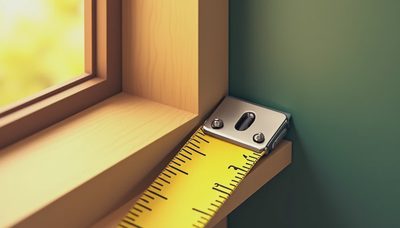
A **home window upgrade** isn't a weekend project you rush through. It's a process that requires planning, budgeting, and careful execution. Whether you hire a contractor or go the DIY route, focus on the details: proper measurements, quality materials, and sealed installation. Follow the procedure and everything will be fine.

No signals yet — transmit the first.