Every homeowner I've talked to has a renovation story that starts with excitement and ends with a sigh. I've been there myself—the drywall dust, the budget blowout, the contractor who vanished mid-project. But over the years, I've developed a system for avoiding renovation pitfalls that has saved me thousands of dollars and countless headaches. As a project manager in manufacturing, I apply the same logic to home improvement: scope first, sequence second, spend third. Let me walk you through the process so you don't learn these lessons the hard way.
Plan Before You Pick Up a Hammer
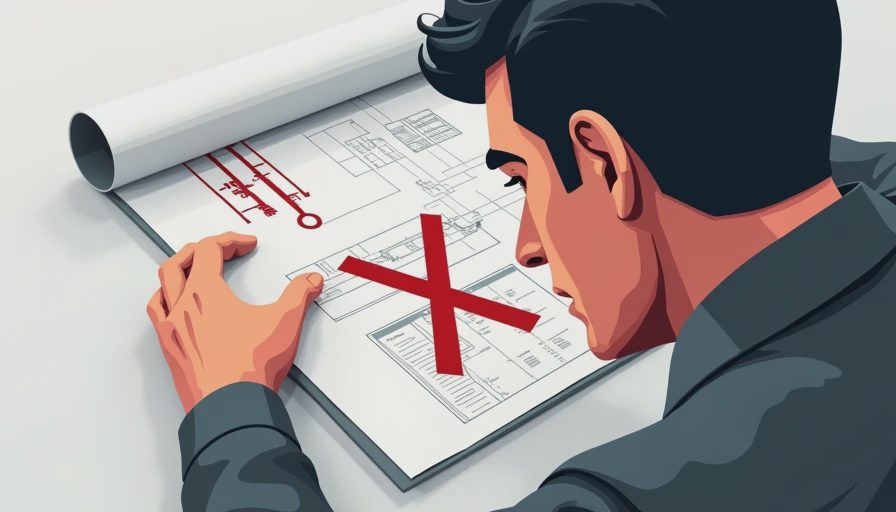
The biggest mistake homeowners make is jumping straight into demolition. I've seen it dozens of times: someone watches a YouTube video, buys a sledgehammer, and starts swinging. Two days later, they realize the wall they knocked down was load-bearing. That's a classic example of ignoring the planning phase. Before you touch anything, create a detailed scope of work. Write down every task, the order it needs to happen, and the materials you'll need. This is your roadmap. Without it, you're driving blind. Follow the procedure and everything will be fine. Start with a written list, then check it against your budget and timeline. This step alone prevents half the headaches I've encountered.
Set a Realistic Budget — and Stick to It
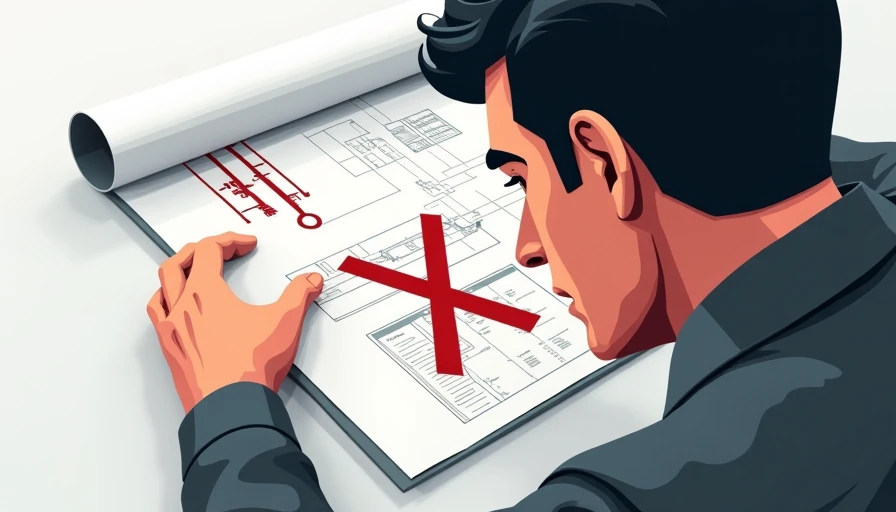
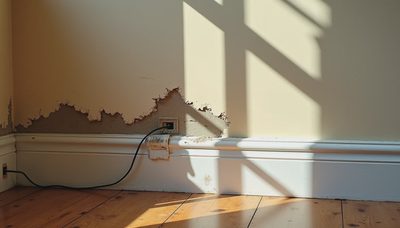
Budget overruns are the most common renovation pitfall, but they're also the most avoidable. I always tell homeowners to add a 20% contingency fund to their estimate. Why? Because surprises happen. You open a wall and find old wiring that needs replacement, or you discover water damage that wasn't visible before. If you skip the contingency, you're forced to make compromises—lower-quality materials, unfinished work, or worse, debt. A realistic budget includes line items for permits, disposal fees, and unexpected repairs. When you're avoiding renovation pitfalls, money is where most people trip. Be honest with yourself about what you can afford, and don't let the excitement of a project push you into risky territory. Megan keeps me grounded on this: she asks, "Will this still make sense next year?" If the answer is no, we reconsider the scope.
Hire the Right Contractor (or Know When to DIY)
Knowing when to call a professional and when to do it yourself is another key to avoiding renovation pitfalls. I'm a strong DIYer, but I have limits. Electrical work, major plumbing, and structural changes are not the place to save money. Get three bids from licensed contractors, check their references, and verify insurance. A low bid often means corners will be cut. On the flip side, don't hire someone for simple tasks like painting or basic tiling—that's work you can do with a little preparation. The decision point is simple: does this task require a permit or specialized knowledge? If yes, hire a pro. If no, grab your tools and get to work. I've seen too many projects derailed by a homeowner who thought they could rewire a house because they watched a five-minute video.

Watch for Common Failure Points
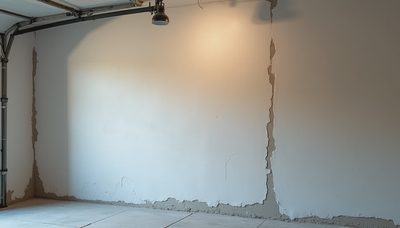
Every renovation has failure points—moments where a small mistake cascades into a big problem. In my experience, the most common are ordering materials too early, skipping the inspection stage, and ignoring moisture control. For example, if you order your flooring before the subfloor is level, you might end up with a wavy mess. Another pitfall: starting demolition without confirming the walls are free of asbestos in older homes. That's a health hazard that stops everything. Do your due diligence. Test for lead paint and asbestos before you disturb anything. Check for hidden plumbing and electrical lines. A little caution now prevents a costly fix later. I like to run a pre-project checklist: permits obtained? Utility lines marked? Materials staged in the right order? If you check these boxes, you're already ahead of most homeowners.
Stay on Schedule Without Cutting Corners
Finally, timing matters. Renovation projects almost always take longer than expected, but that doesn't mean you should rush. Rushing leads to mistakes, and mistakes cost more than the time you saved. Build a realistic timeline with buffer days for each phase. Communicate with your contractor weekly to track progress. If something falls behind, adjust the schedule rather than skipping steps. I've learned that the cost of rework is three times the cost of doing it right the first time. When you're avoiding renovation pitfalls, patience is a virtue. Follow the sequence, don't skip inspections, and resist the urge to take shortcuts. Your future self will thank you for it.
If you take one thing from this article, let it be this: plan twice, cut once. Whether you're remodeling a bathroom or finishing a basement, the same principles apply. By avoiding renovation pitfalls upfront, you save time, money, and your sanity. Now go write that scope of work.


No signals yet — transmit the first.