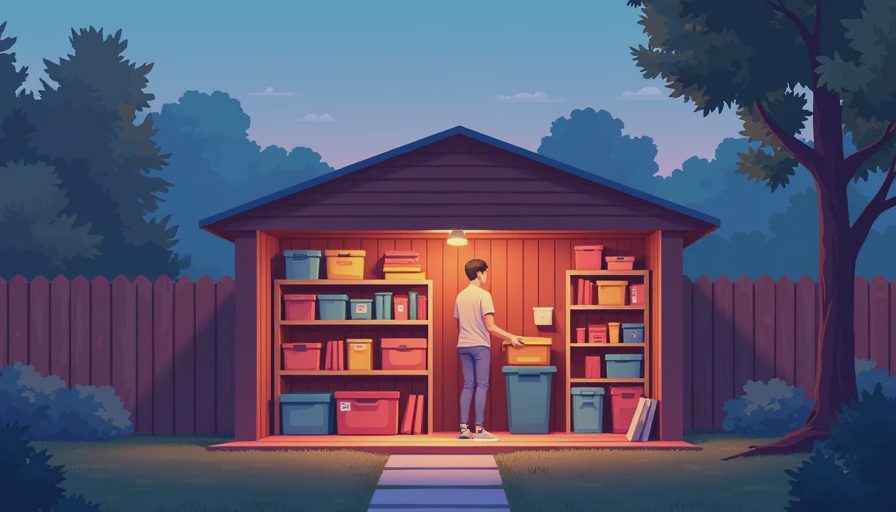
If you have a yard, you know the struggle: garden tools, kids' toys, sports equipment, and lawn gear end up everywhere. After years of tripping over hoses and stacking bins that collapse, I decided to look into serious **backyard storage solutions** that actually hold up. Whether you need a small shed, a deck box, or a custom lean-to, the key is matching the solution to your space, budget, and how you use your yard.
I'm Ethan Walker, a project manager by day and a weekend DIYer. I apply the same process discipline to home improvement that I use on the manufacturing floor. That means planning the scope first, then the sequence, then the spending. Follow the procedure and everything will be fine.
Assess Your Space and Needs
Before you buy anything, stop and take inventory. Walk around your yard with a tape measure and a notepad. Answer these questions:
- What items need storage? List everything: lawn mower, trimmers, hoses, kids' bikes, cushions, potting soil, etc.
- How often do you access each item? Daily use gear should be easy to reach. Seasonal stuff can go deeper.
- Where does water drain? You don't want a shed sitting in a low spot that floods every spring.
- Are there any HOA or city restrictions on outbuildings? Some neighborhoods have size, height, or setback limits.
I made the mistake of buying a large resin shed without checking my HOA rules first. Ended up having to return it and go with a smaller deck box. Measure first, then cut.
Types of Backyard Storage Solutions
Here are the main categories, each with its own pros and cons.
Sheds
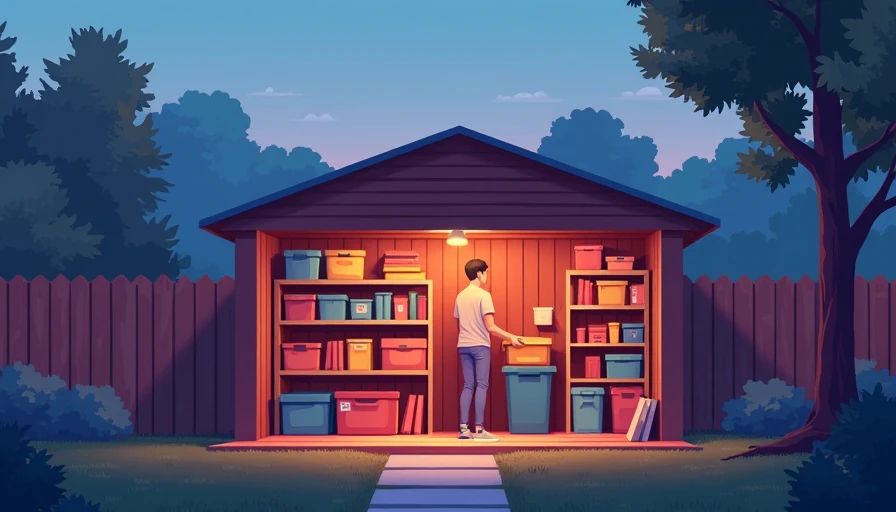
Sheds are the gold standard for big storage. You can get a wood shed that matches your house, a metal shed for durability, or a resin shed that's low maintenance. Sizes range from 4x6 to 10x12 or bigger. Prices: a good 8x10 resin shed runs $1,500–$3,000 installed. Metal sheds can be cheaper ($500–$1,200) but may dent and rust over time. Wood sheds look best but require painting and upkeep. If you're handy, you can build your own from a kit or plans.
Deck Boxes
For smaller yards or limited needs, a deck box is a quick fix. They're great for cushions, small tools, and pool supplies. Sizes from 30 gallons to 150 gallons. Prices: $100–$500. Look for weatherproof, UV-resistant plastic. I have a Keter 150-gallon box that's been outside for three years, and it still looks new.
Vertical Storage
If ground space is tight, go up. Wall-mounted racks, pegboards, and overhead shelves in a garage or carport can hold bikes, ladders, and hoses. For **backyard storage solutions** without a shed, a simple freestanding shelf unit under an overhang works wonders.
Custom Lean-To or Awning
Attaching a roof to the side of your house or garage creates covered storage for firewood, trash cans, or large gear. This is a semi-DIY project costing $500–$2,000 depending on size and materials.
Trash Can Enclosures
A simple wooden or composite enclosure keeps bins out of sight and prevents animals. Plans are easy to find. Cost: $200–$500 in materials.
Cost vs. Value: What's Worth It?
Not all **backyard storage solutions** pay for themselves in convenience. Here's my take based on years of projects:
- **High value:** A mid-range shed ($1,500–$2,500) if you have multiple large items. You'll use it daily, and it protects your tools from weather, extending their life.
- **Medium value:** Deck boxes and vertical racks ($100–$500) solve specific problems but can be outgrown.
- **Low value:** Cheap metal sheds under $500. They often leak at the seams, doors jam, and they look bad after two years. I've replaced three for neighbors. Pay more once.
Installation: DIY vs. Hire Out
Here's where the project manager in me takes over. Decide based on your skill level and time.
DIY Installation
- **Shed kits:** Many come with precut parts and instructions. A weekend job for two people, but you need a level base (gravel pad or concrete slab). I recommend a gravel pad: cheaper, drains well, and easier to level.
- **Deck boxes:** Unbox, place, and fill. Takes 10 minutes.
- **Vertical racks:** You need a stud finder, drill, and level. An hour or two.
When to Hire a Pro
- If your yard slopes significantly, hire a contractor to grade and pour a concrete pad. That's $500–$1,000 extra but worth it.
- Some cities require permits for sheds over a certain size (often 120 sq ft). A pro can handle that paperwork.
- If you're not comfortable with electrical work for shed lighting, hire an electrician.
I always say: do what you can, pay for what you can't. Skipping steps now means paying more later.
Maintenance and Longevity
Whichever **backyard storage solution** you choose, maintain it:
- Resin and metal: wash annually with soap and water. Check seals around doors.
- Wood: stain or paint every 2–3 years. Look for rot at ground contact points.
- Shed roofs: clear leaves and snow to prevent sagging or leaks.
- Deck boxes: lubricate hinges with silicone spray.
A little upkeep every spring keeps your storage working for a decade or more.
Final Advice
Start small if you're unsure. Buy a deck box for immediate relief while you plan a shed. Measure your space, check regulations, and set a budget that includes delivery and installation. And remember, good **backyard storage solutions** are an investment in your property and your sanity. Megan says I'm too rigid, but she stopped complaining when she found her garden kneeler dry and clean after a rainstorm. Follow the procedure, and everything will be fine.


No signals yet — transmit the first.