
Good. We start here because this is where most homeowners lose control.
I’ve watched it dozens of times on job sites and in my own garage. Someone sees a Pinterest photo or a weekend warrior video, grabs a hammer, and three weeks later they’re staring at an exposed stud wall, a leaking pipe, and a credit card balance that doubled. The tools weren’t the problem. The scope was never defined.
Scope Before Sawdust means exactly that: decide what “done” actually looks like before any dust hits the floor.
The Real Cost of Skipping Scope
Let me give you the numbers I use when I evaluate a project at home.
A typical weekend bathroom faucet replacement should run $150–$350 total if you do it yourself. I’ve seen neighbors turn the same job into $1,200+ because they discovered old galvanized lines, a cracked valve box, and had to open the wall after the fact. That extra $800–$1,000 didn’t come from bad luck. It came from starting without knowing the full condition.
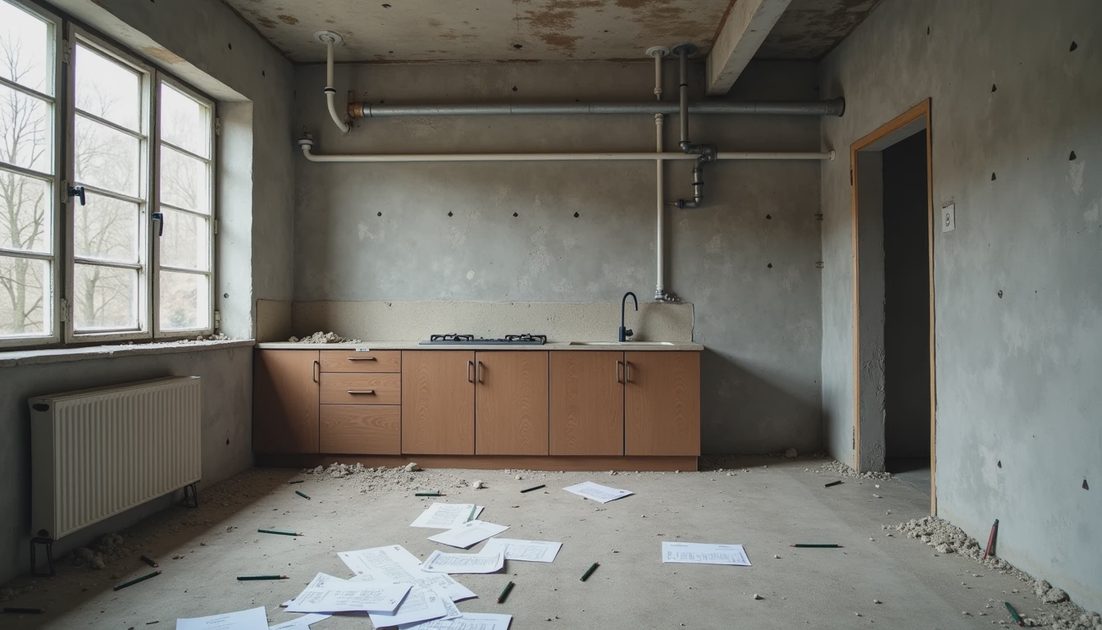
Same story with flooring. You think you’re just replacing the carpet in the living room. You pull it up and find water damage from a sliding door that’s been leaking for two years. Now you’re into subfloor repair, possible mold treatment, and baseboard replacement. Suddenly a $600 carpet job became a $2,800 floor project.
Measure first, then cut. I saved myself thousands by following this on the house and at work. In automotive manufacturing we call this “front-loading the risk.” You pay the thinking time upfront so you don’t pay rework later.
Here’s what usually happens when people skip this phase:
They underestimate material quantities by 15-30%
They miss permit requirements
They discover structural or utility issues mid-project
They buy the wrong materials twice
They run out of time and hire help at panic prices
If you ignore scoping, three months from now you’ll still be living with the consequences while the project sits half-finished.
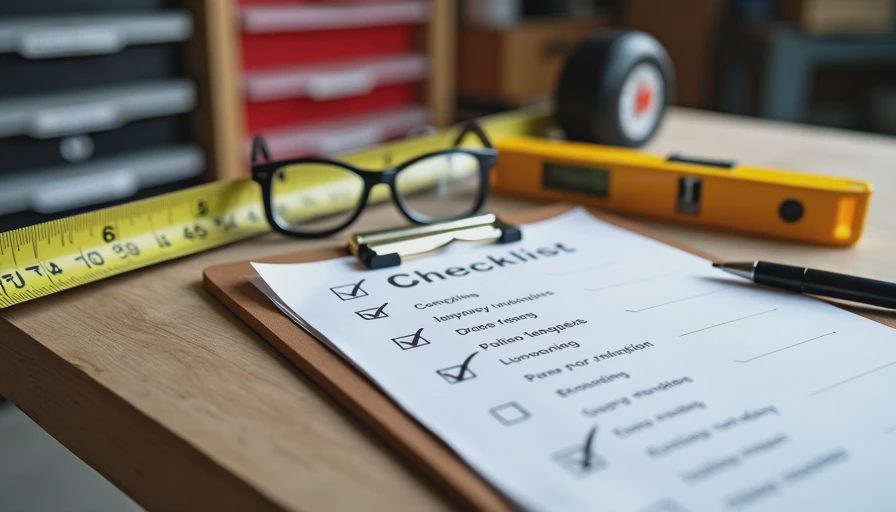
How I Actually Scope a Project (My 7-Point Checklist)
I run every home project through the same basic process I use for manufacturing lines. Takes me 30-60 minutes on paper. Saves days or weeks later.
Define the exact outcome Write it down in one sentence. Not “fix the bathroom.” Write “Replace the vanity, faucet, and light fixture, repair the drywall damage, and install new baseboards so the room is fully functional and painted.” Specificity kills assumptions.
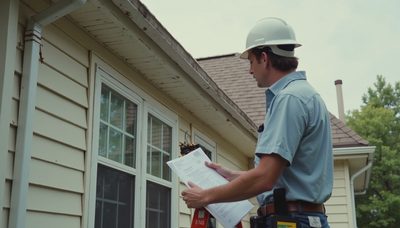
Inspect before you commit Turn off the water, remove the access panel, crawl under the sink, shine a light in the walls. Take photos. Note pipe material, wire age, any signs of previous repairs. For bigger jobs I use a moisture meter and outlet tester. Costs $25, prevents $500 surprises.
List every task, no matter how small I make a full task breakdown. Example for faucet job: shut off water, drain lines, disconnect supply lines, remove old faucet, clean deck, install new faucet, test for leaks, caulk, reinstall handles, dispose of old parts. Each line gets its own line.
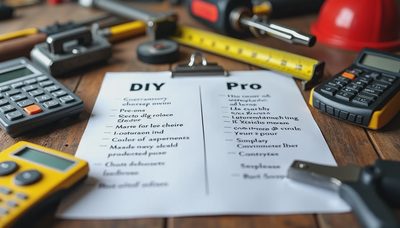
Determine DIY vs Pro I have a simple rule: if it involves gas, main electrical panels, structural walls, or waterproofing in wet areas, I call a licensed pro. Everything else I evaluate based on my skill and tools. Be honest here. I can patch drywall but I won’t mess with sewer lines.
Build the material takeoff Count everything twice. For a small drywall patch I list: patch panel size, joint compound (buy the small tub), tape, sanding screen, primer, paint, drop cloth, screws. Then add 20% contingency on consumables. If the list looks too short, your budget is probably too low.
Get pricing reality Walk the aisles at Home Depot or Lowe’s with your list. Note current prices. For bigger items I check online and local suppliers. I also get one contractor quote just to benchmark — not to hire, but to see what I’m missing.
Set the go/no-go criteria Before I buy the first item I decide: maximum budget, maximum calendar days, and what conditions would kill the project. Example: if I find active mold or knob-and-tube wiring, I stop and call pros. No heroics.
Follow the procedure and everything will be fine.
Common Scope Traps I’ve Fallen Into
Early in our house I decided to “quickly” update the laundry room. I measured the space but never checked behind the dryer. Turns out the exhaust duct was crushed and the wall had hidden water damage from years of poor venting. I spent an extra weekend tearing out and repairing.
Lesson learned: always verify assumptions. Now I include “verify existing conditions” as its own checklist item.
Another one: I once ordered cabinets based on online measurements without confirming the room was perfectly square. Two corners were out by almost an inch. Cabinets fit, but the gaps looked terrible until I adjusted with filler and trim. Wasted time and material.
Warning sign: If your plan has phrases like “should be fine” or “probably okay,” go back and inspect again.
My wife Megan says I’m too rigid when I sit at the kitchen table with my notebook making lists. She may be right. But the process has saved me three major headaches in the last two years alone — one plumbing leak that could have flooded the basement, one electrical issue, and one flooring job that would have failed in the first winter.
Make Scoping a Habit
You don’t need fancy software. A legal pad, a tape measure, a phone for photos, and one hour of honest assessment is enough for most weekend projects.
Start small. Next time you think about replacing an outlet or patching a wall, force yourself through the full checklist. You’ll feel the difference immediately. The work goes smoother, you buy the right stuff the first time, and you sleep better knowing you actually understand what you’re getting into.
The best projects I’ve done weren’t the biggest or the prettiest. They were the ones where I knew exactly what I was walking into before I made the first cut.

Scope before sawdust. Do this consistently and you’ll join the minority of homeowners who actually finish projects on time and on budget.
Next time you’re tempted to just start tearing things apart, remember: the most expensive tool in your garage is the one you use before you know what you’re doing.


No signals yet — transmit the first.